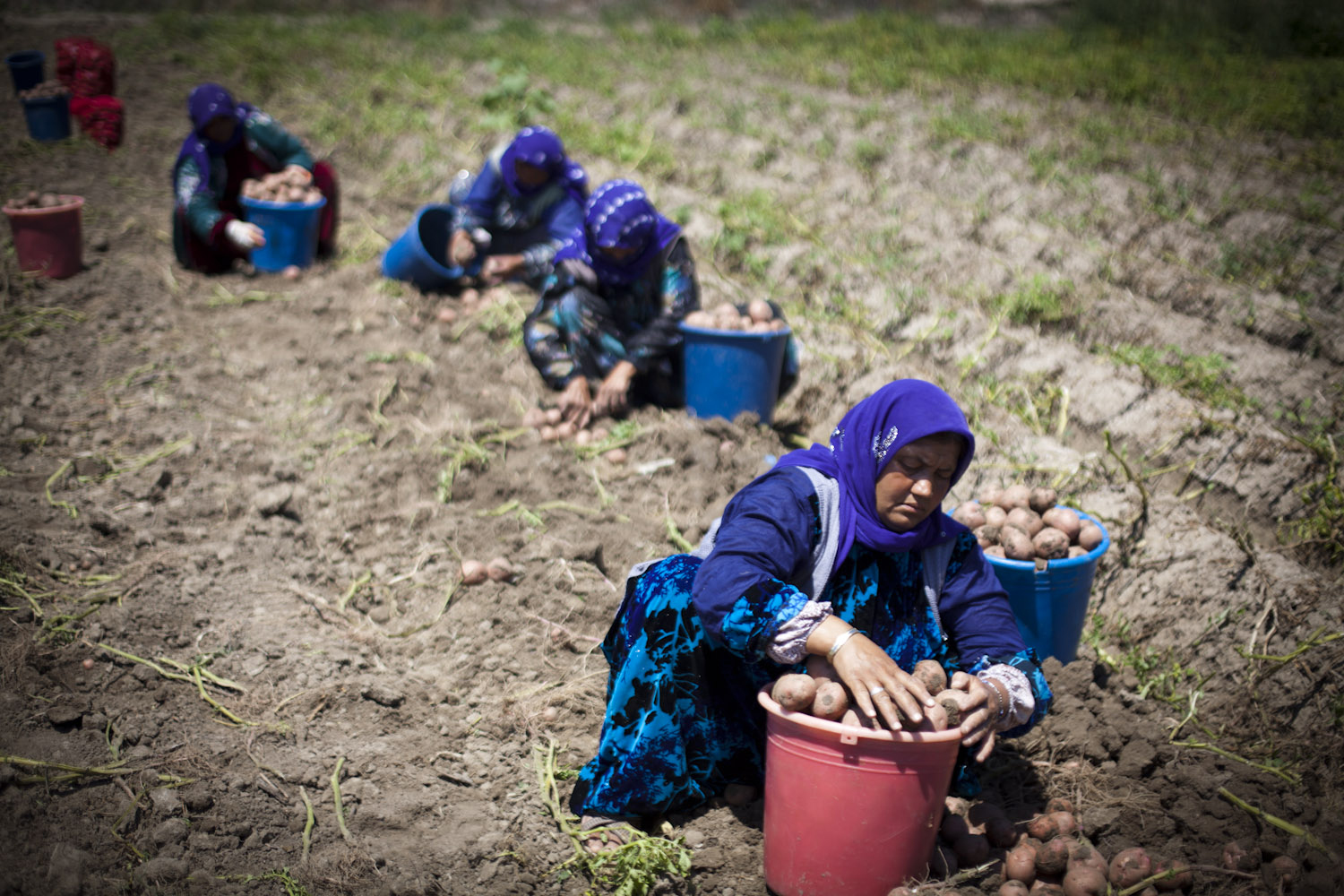
Female Kurdish migrant farm workers, Turkey © Jason Florio You can check out more of Jason’s work on his website: floriophoto.com and for daily updates: floriotravels on Instagram.

documentary | filmmaking | photography | people | travel
Female Kurdish migrant farm workers, Turkey © Jason Florio You can check out more of Jason’s work on his website: floriophoto.com and for daily updates: floriotravels on Instagram.

Sunday 12th October, 2014 – 9.30am, Jinack Island-Banjul, The Gambia
We clambered aboard what resembled a huge Canadian style canoe – which we were about to go way out into the Atlantic Ocean in, to our next destination, Banjul Port, as part of our walk along the Gambia coastline; “it is only perhaps 45 minutes“, our captain assures me, as he takes in my ashen pallor and white knuckles, as I grip the narrow wooden plank I’m sitting on, whilst trying to balance myself in the middle of the rocking boat. He hands out bright orange life jackets, which look suspiciously like the kind you get on an airplane. It may only be a few miles, across to Banjul, but it’s still the bloody ocean, and, for someone who was born, and spent the first six years of her life, across the road from the North Sea, I have an irrational fear of wide open water. That, coupled with the fact that I nearly drowned in the Atlantic, whilst swimming, on one of my very early trips to The Gambia! However, that’s another story… .
Don’t get me wrong, I have a deep respect and fondness for the ocean and there are times when nothing is more satisfying then sitting, looking out at an infinite, vast body of water, contemplating life, love, the universe… . I just don’t want to be bobbing around on what I class, in my mind, as the high seas, in relatively small, seemingly flimsy, wooden boat!

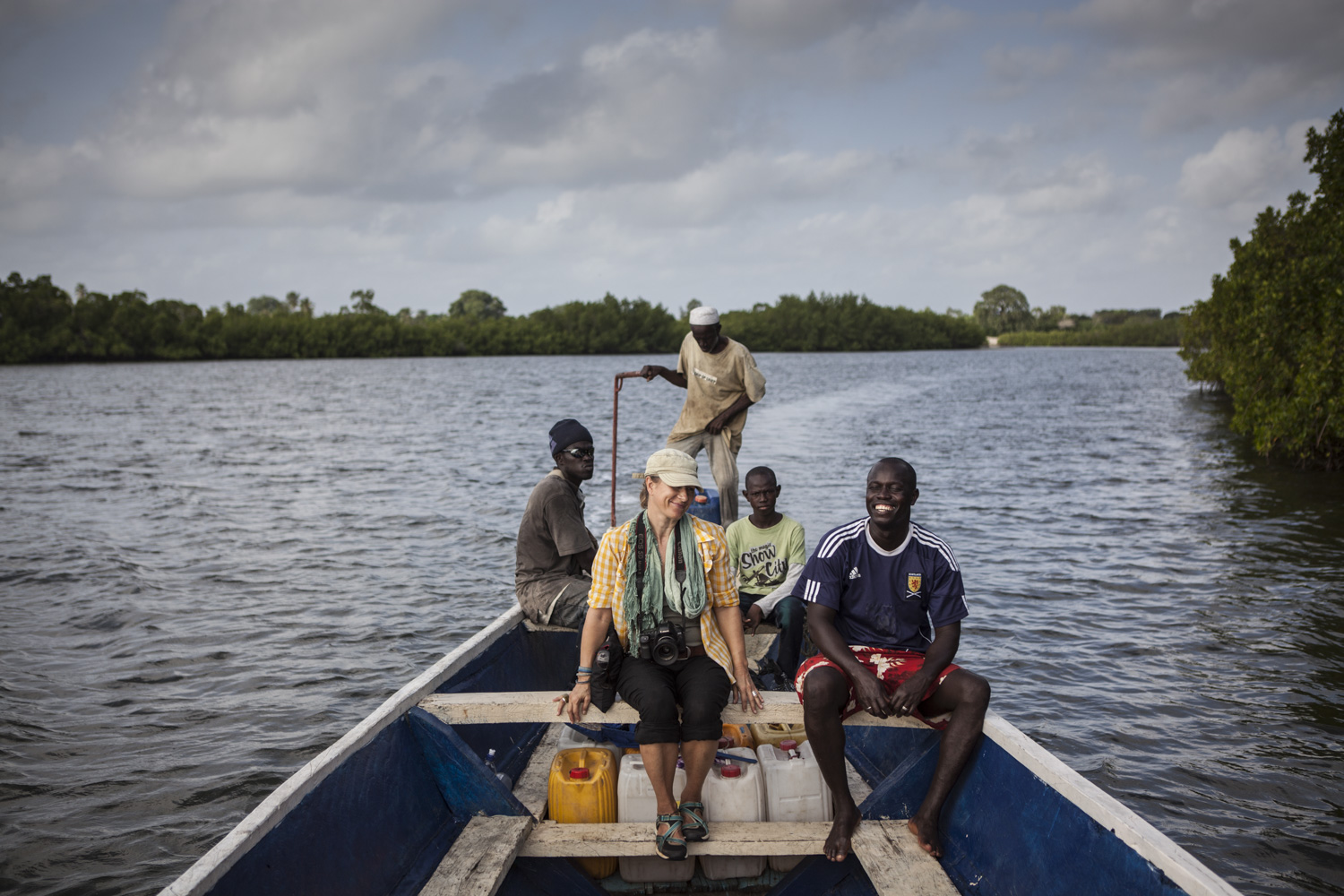
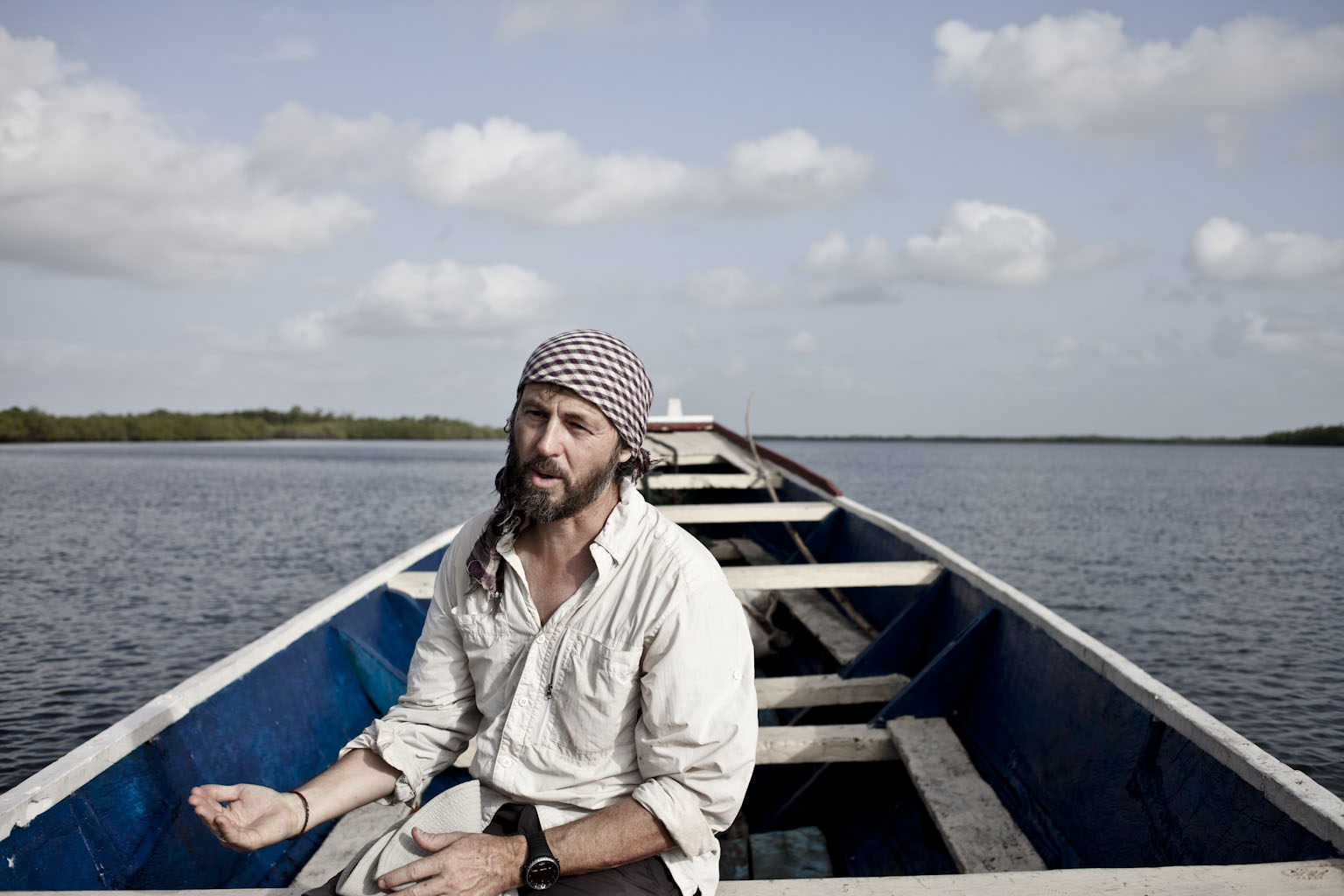
We didn’t exactly get off to a great start either, as the motor died a couple of times, due to lack of fuel, before we even reached the tip of Jinack Island, which would take us into the Atlantic proper. The plan was to stop and get fuel from one the three small villages, situated at the tip of the island, and which are officially in Senegalese waters – the island being bisected by the Senegal border.

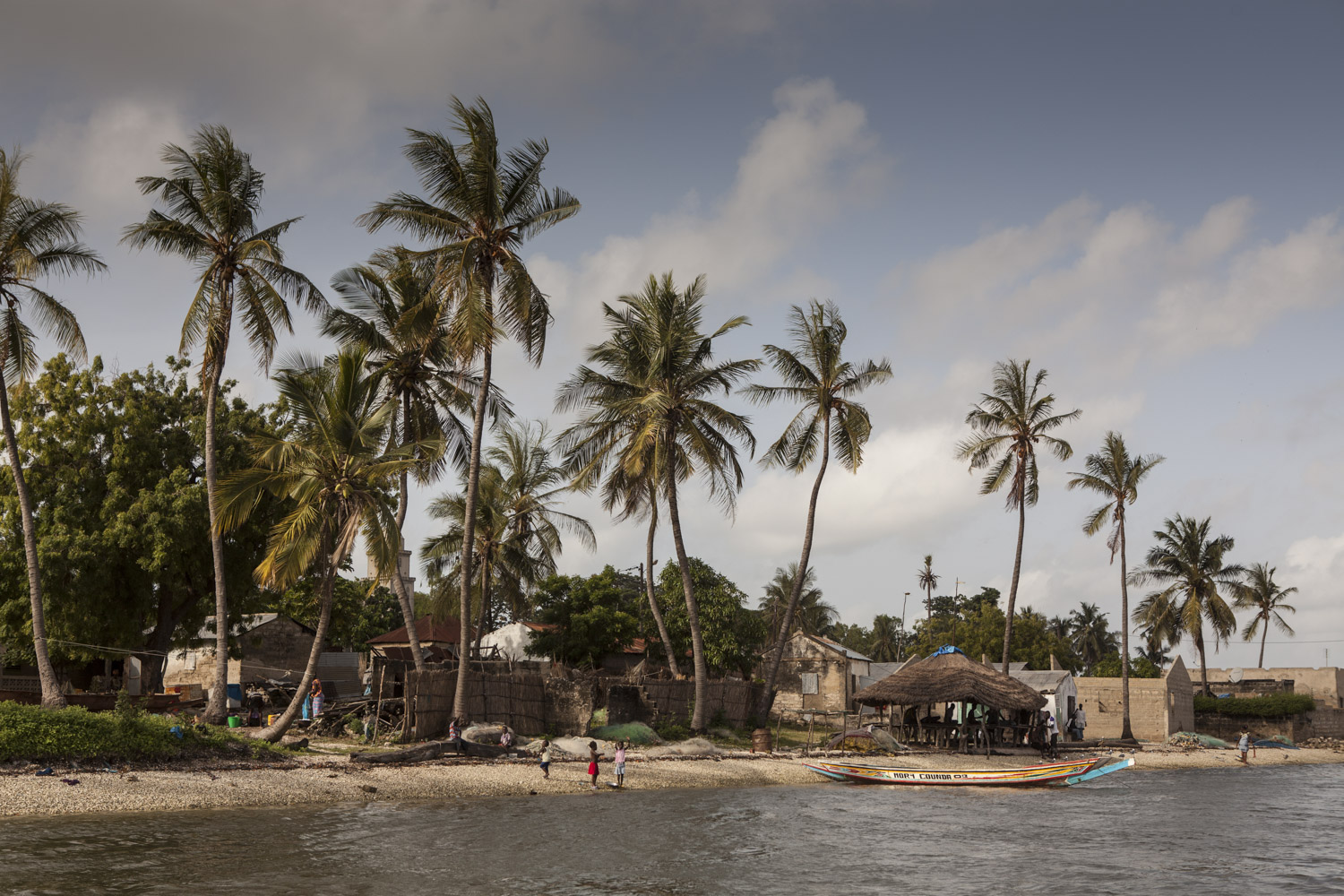
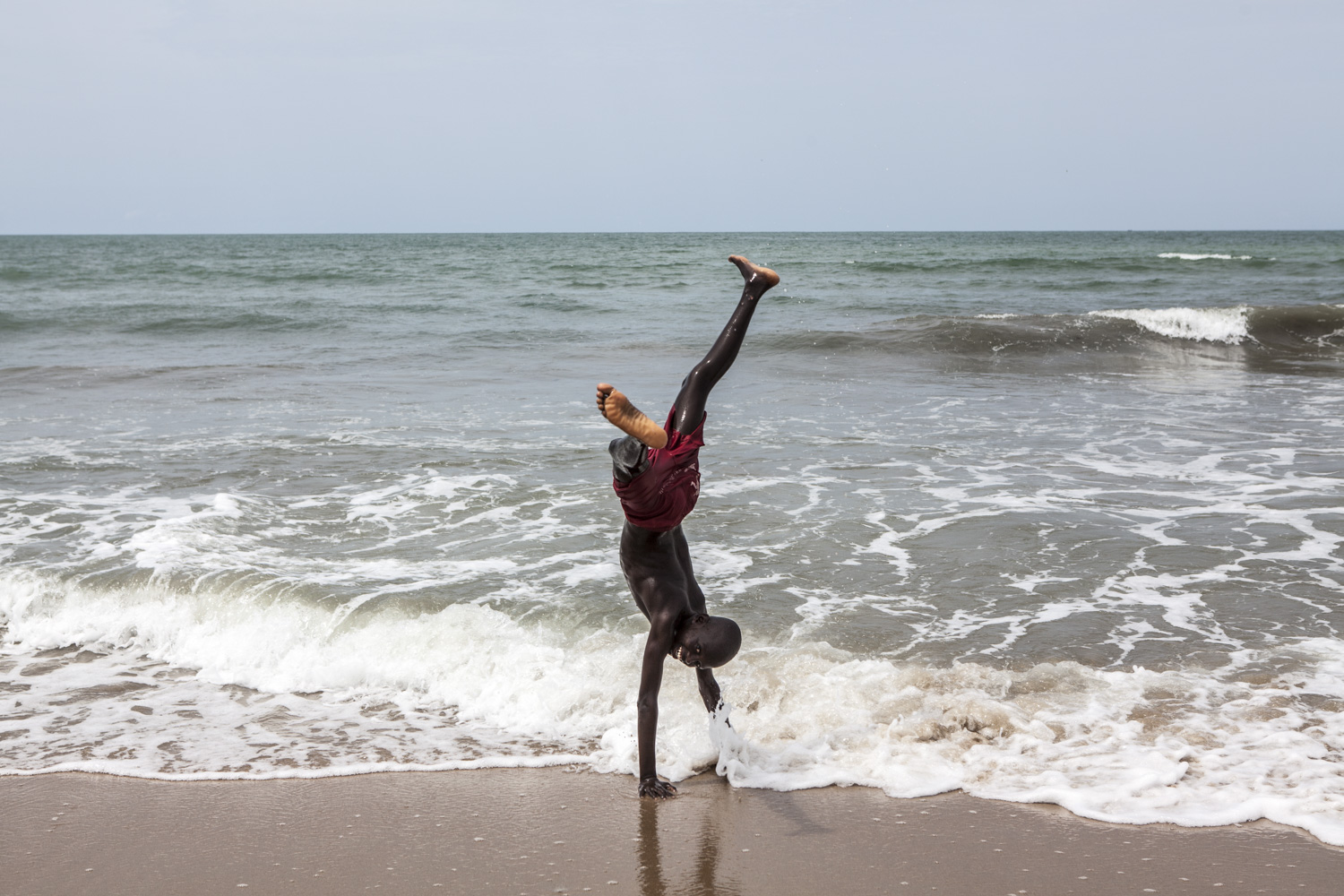
Jinack (or ‘Ginack’ – ‘in front of the water’), is an exquisite narrow spit of land, the furthest point North of The Gambia, ‘self-policed’, we were told, by the local villagers, all related in one way or another. Which is why, apparently, the island is so ‘peaceful’ – everyone knows everyone, thereby making it difficult to get away with anything remotely nefarious. On one side, the balong and mangroves, and the other side, white sandy beaches and the wide open waters of the Atlantic Ocean.
After picking up the fuel, knowing that we were about to head out to sea, leaving the gloriously calming waters of the balong behind, I hastily donned my life jacket, hoping it would make me feel somewhat secure. It didn’t. My shoulders, already stiff from the tension of gripping the plank I was sitting on, I keep my eyes dead ahead, on the horizon – hoping that it wasn’t just a myth – and that, in doing so, it would prevent me from the projectile disgorging of my recently ingested breakfast! I willed the shores of distant Banjul to come nearer. I comforted myself with the fact that It didn’t really look that far… did it? .

‘Hang on… aren’t we going in the wrong direction?’, as the captain steered the pirogue out to sea – my words immediately carried away by the wind and, or, lost in the sound of the boat engine. Surely it would be quicker to head diagonally across, towards Banjul?! In my horizon view is the elderly steersman, standing up at the helm of the boat, in his bright orange life jacket, making a series of signals – pointing, or moving either arm up or down, whilst shaking his head, as if to say ‘no, keep straight ahead‘ – guiding the captain through the choppy waters. “There are many sandbanks, out here in the ocean“, Amadou, the manager from Jinack Lodge, tells me “see, where the water breaks?“. He didn’t need to expand on what would happen should we accidentally run aground on one.

We had, on our previous River Gambia Expedition, experienced getting lodged on a sand bank in the middle of the river. Fortunately, the tide was low and we had been able to get out and drag our relatively light, rubberized, canoes to deeper water. Something we most certainly wouldn’t be able to do, with this huge hulk of solid wood, in the middle of the ocean!
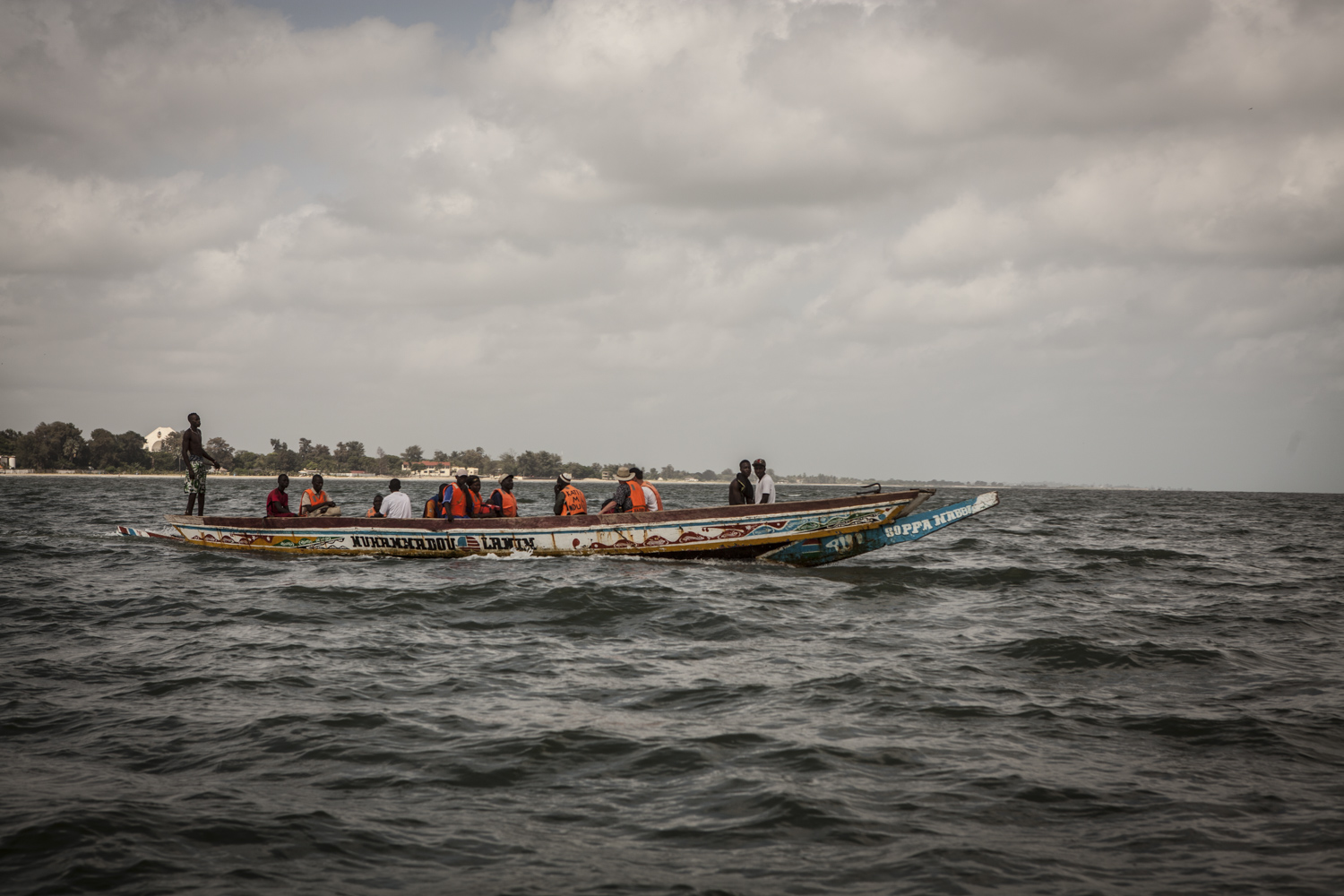
They make this crossing two or three times a week – sometimes, daily, in the high season, to pick up guests and supplies – instantly becomes my mantra; as I continue to stare straight ahead, whilst trying hard to distract myself by thinking of other, more enjoyable, persuit’s. Meanwhile, the pirogue rears up and down, undulating over the waves, freezing salt water splashing my face and soaking my clothes . Hey, look on the bright side, I think, if we are tipped overboard, I could always swim back to New York! So much for distracting myself.
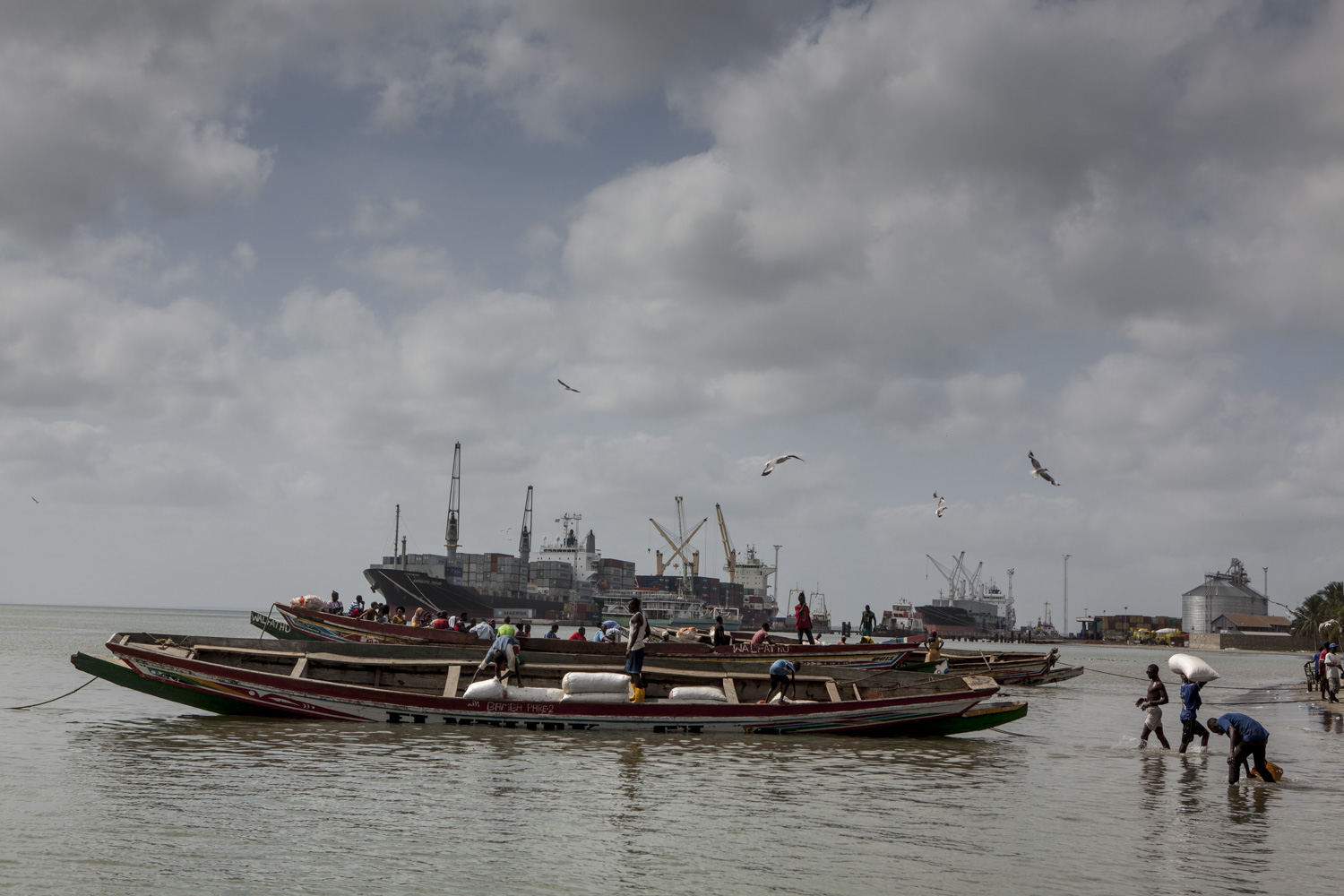
“So, Amadou, in the worst case scenario, such as running out of fuel...” No! Jason voices exactly what my mind is trying hard not to focus on, as if by doing so, it would be somehow karmic once the words were out there in the universe. But, I do want, need, to know. “We call for another boat” Amadou casually replies . “We can almost always get a phone signal out here“, looking pointedly at me, he reassures. “Or, we sit and wait for another boat to pass by“. Fortunately, the waters are fished twice daily, so passing pirogues aren’t that few and far between, in the morning and late afternoon, at least. However, I’m not sure how long it would take for help to reach us if we were to be toppled overboard. Cellphones and (salt) water aren’t particularly well-matched.

Jason checks his phone credit, and battery charge, before dropping his cellphone into a waterproof bag (courtesy of Overboard, who supported the River Gambia journey), and attaching it to his belt with a carabiner. Ever the master of a contingency plan, is Mr Florio – thankfully.
There was a moment, midway into the crossing, when I realised I could perhaps relax somewhat, as the steersman – who I had been scrutinizing, just as closely as I did flight attendants (watching for any tiny muscle twitch, in their outwardly perfect composure, when the plane suddenly hits a pocket of turbulence, which might indicate the need to grab the life jacket beneath my seat!), ceased gesticulating and proceeded to sprawl across the helm, before seemingly falling asleep!

Clearly, we reached Banjul without any high seas drama (aside from the one that was going on in my head during the entire crossing!), in just under and hour; which felt more like four to me, as I uncurled each stiff finger from the plank I’d been clenching.
That day, I conquered a fear. However, that’s not to say that I would be in any great hurry to do that particular journey again!
Helen Jones-Florio (with Jason Florio)
Related post: Gambia Beachcombers
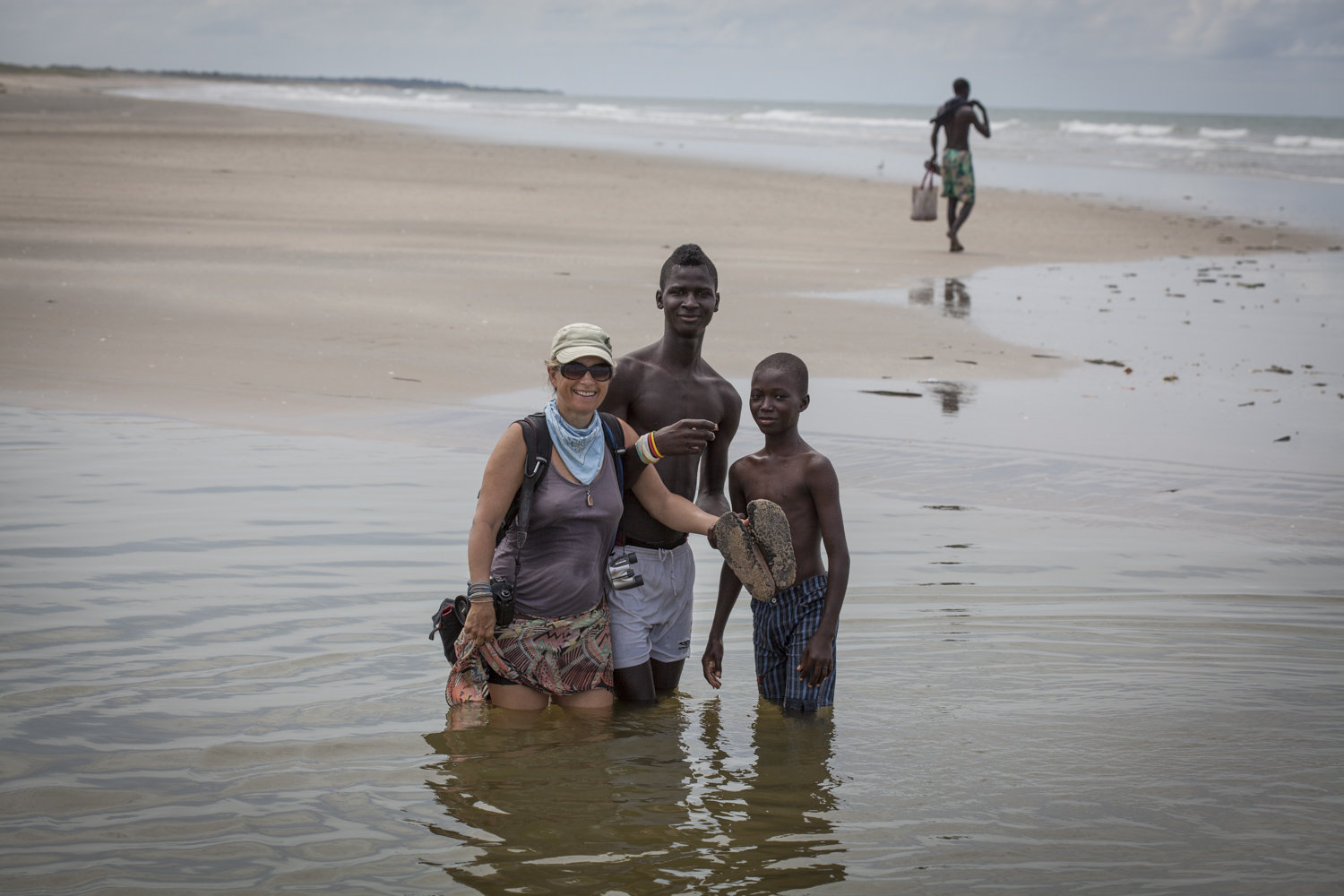
If you have been following the blog, then you’ll know that Jason and I recently completed a 80km walk along the coastline of The Gambia, West Africa – from the Senegalese border in the North, Jinack Island, to Senegalese border in the South, Kartong. It was featured in January’s B.Spirit Magazine/ Brussels Airlines – you can read all about the walk here: ‘Gambian Beachcombers‘.
Obviously, as with any editorial, space for text and images is limited. Yet, we have so many more images to share, which we took along the way, that we hope portray just how beautiful, and diverse, the Gambia coastline is.

However, this post is not all about splendid images (hey, call me biased) – although, I do rather hope they help to paint a picture pretty enough to entice tourists and travellers alike to come to ‘The Smiling Coast‘ of Ebola-free Gambia – Ebola-free being the operative words here, and the thread that holds this post together. Since the outbreak of the deadly epidemic, in just a few pockets of West Africa, the tourists have stopped coming – at least nowhere near the numbers they normally come – and some of the airlines have stopped flying here when, all said and done, there really is no need not to come (but then, if flights are empty because of tourists being fearful to travel… catch 22).
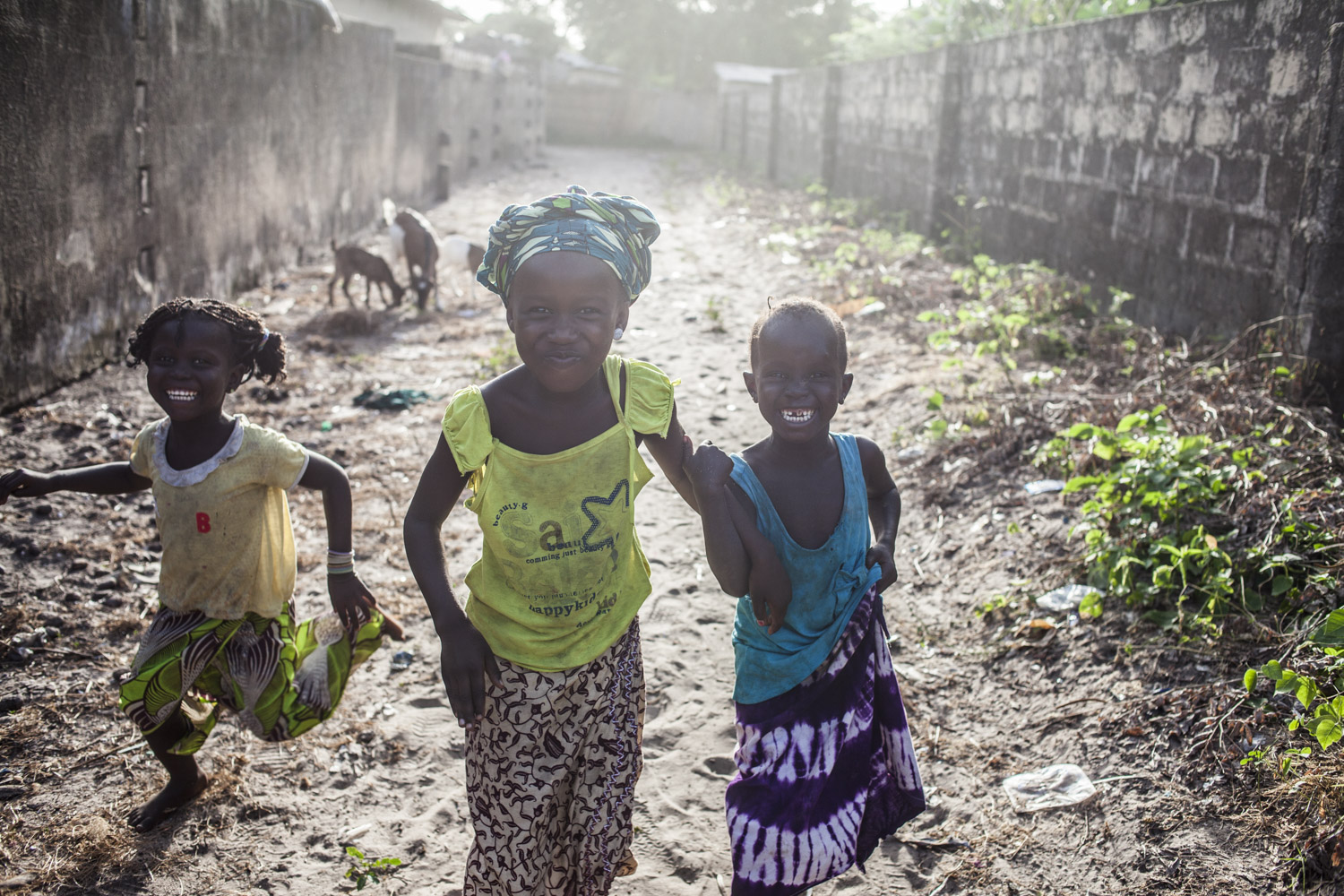
Many Gambian’s depend on the annual tourist season – particularly around the coastal areas, the beaches, where we live. An old friend, of mine, Buba who I have known since my first trip down here in 1997 – a taxi driver (and one of the most reliable, honest, and knowledgeable taxi drivers one could ever recommend – he even gets a mention in the feature) – explained to me the other day about how, during the low season, like thousands of other Gambians, he farms his land. It’s also when the main package tour operators cease to fly to The Gambia, and only the intrepid travelers venture down here, those not afraid of a bit of rain, and outstanding thunder storms. Buba – and many of his friends – will often loan a little money, here and there, to help him through the down time, when there are no tourists to pick up and ferry around. He does this, secure in the knowledge that once the high season starts again, the can repay his debts. Alas, this year’s lack of tourism trade has put paid to that…
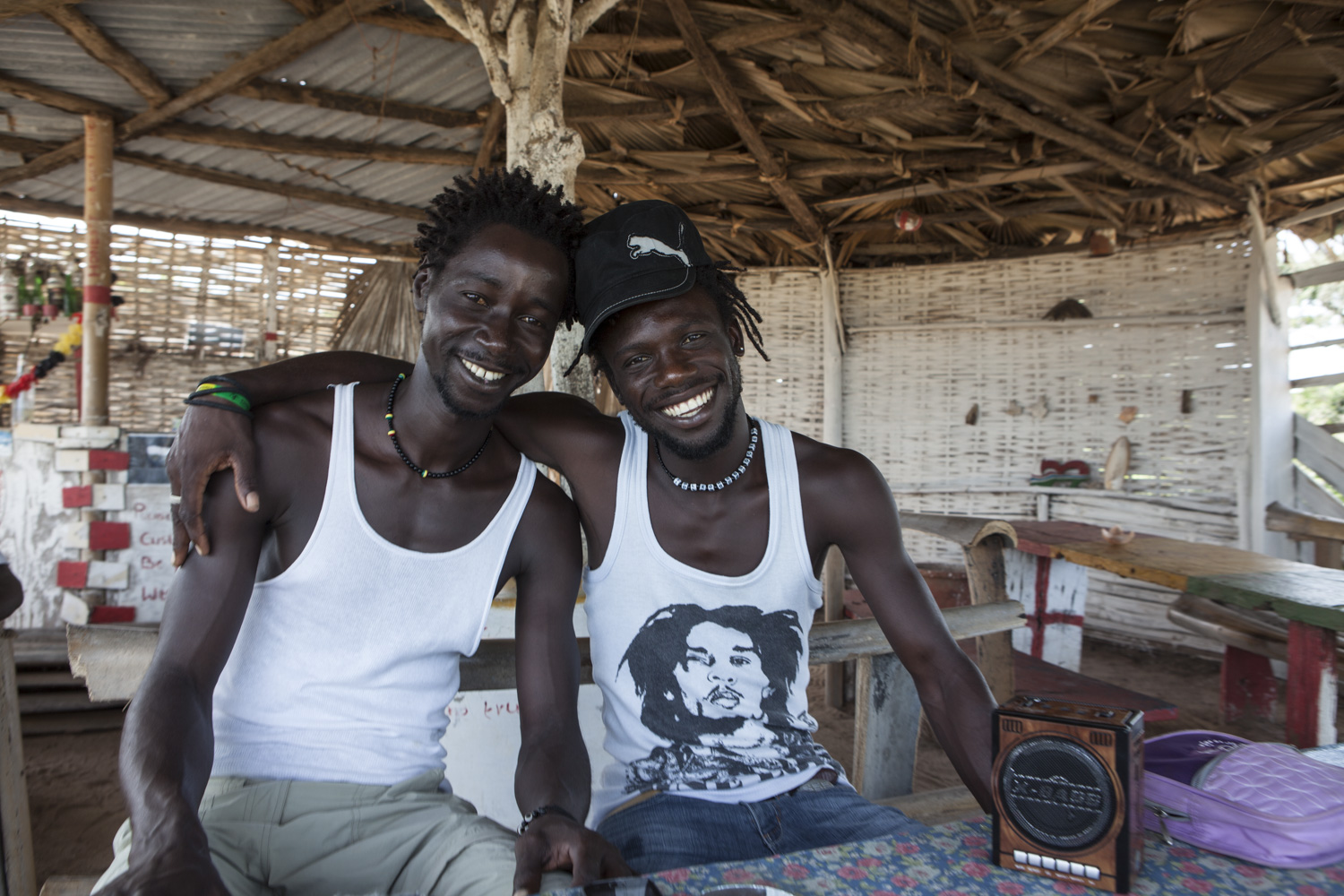
…resulting in unpaid debts for many. And, because Buba has so very few tourists to pick up now, he will have no choice but to borrow more to make sure his family are cared for, schools fees are paid, and so on. Obviously, he is not alone in this. Debts will spiral and who knows when the tourists will start to come again. Even if they came in droves tomorrow, it probably won’t make up for the lost few months, since the high season should have kicked in, in November last year.
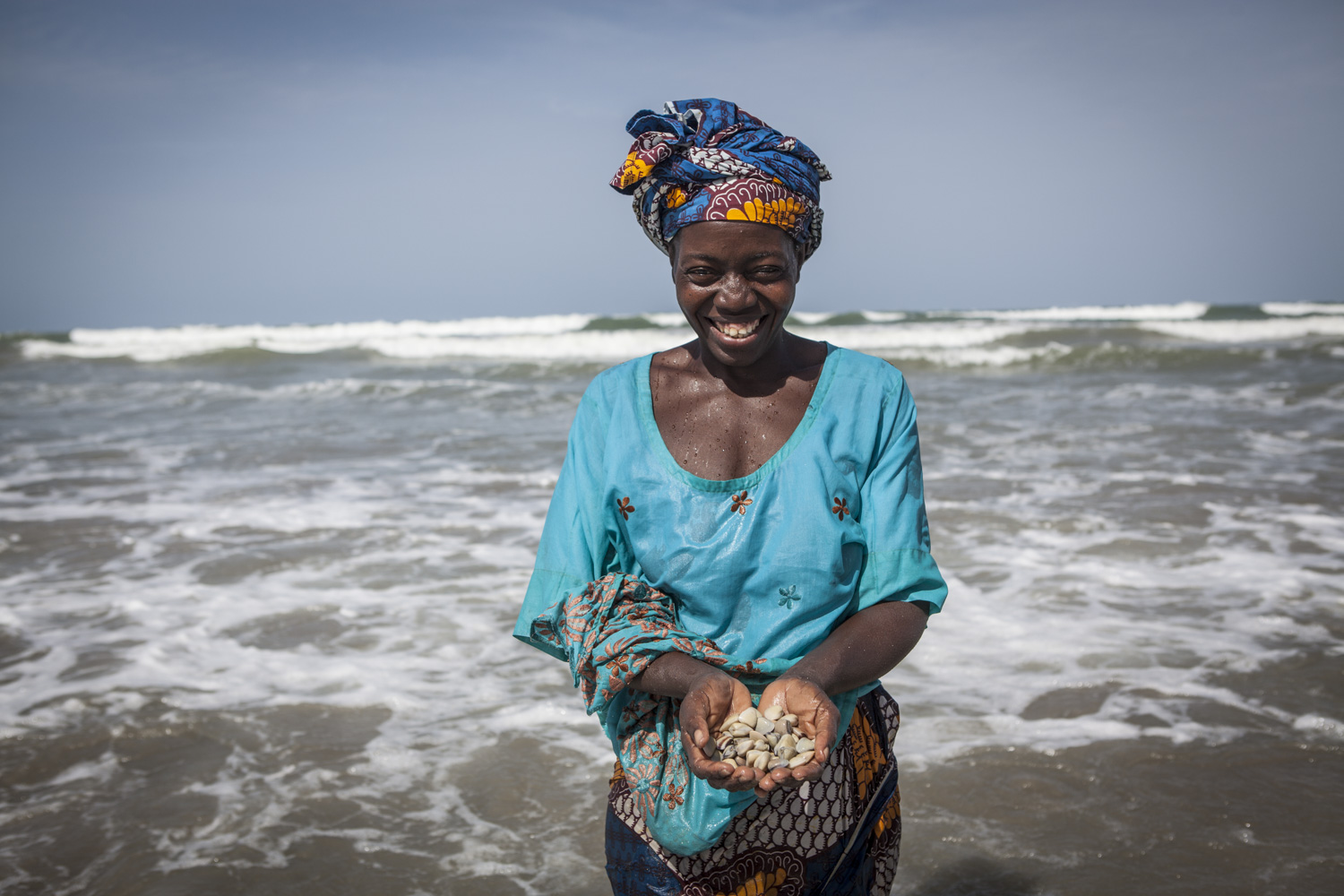
Suffice to say, Gambians, and local businesses, are hurting… and it’s not going to get better any time soon. Which is why I keep spouting on, annoyingly so perhaps, about Ebola-free Gambia! The beaches are deserted, the juice bars are abandoned, hotels and lodges are no where near the to capacity they should be by now (and need to be, if they are to survive), the bars and restaurants are empty; taxi drivers sit around in the shade all day and night, grateful for any trade they can get; the craft markets are too quiet – all of these places are places of work, for many, many Gambians, and business owners alike. All just waiting for the tourists to come.
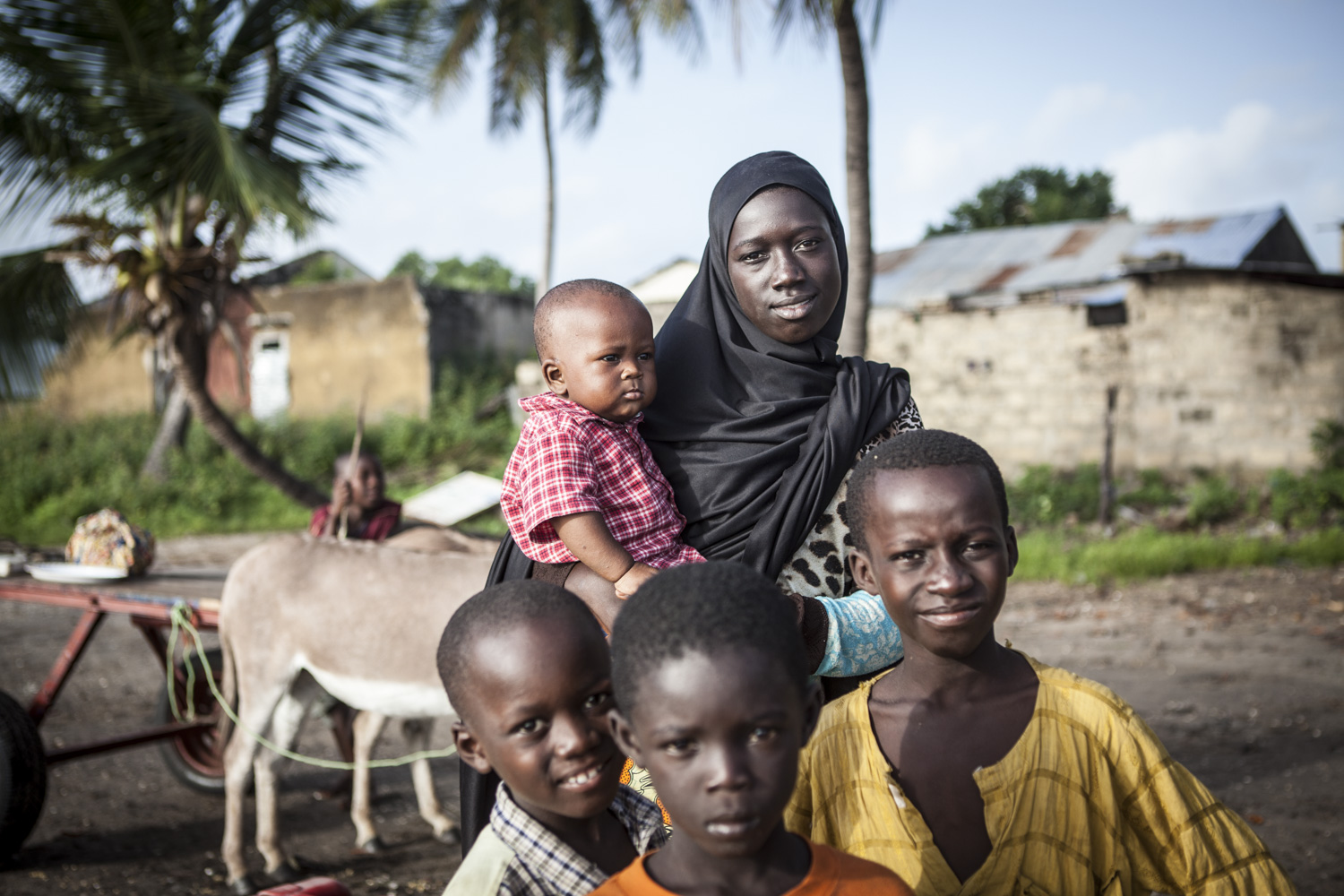
We have many friends who run hotels, lodges, and restaurants. All of them struggling to retain all their staff, none of them wanting to let anyone go, because they know the consequences – if they let just one member of staff go, a whole family, and more, will suffer. One person working, receiving a regular wage, often feeds not just their immediate family but also their extended family, who live in the same compound. Unfortunately, it’s that catch 22 situation again, if businesses don’t bring in the revenue, then how can staff be paid, when there are all the other costs of running a hotel, bar, restaurant, purely in order not to have it close its doors? Regrettably, in some instances, this has already happened. As Jason and I drive around the tourist areas, we see restaurants, bars, and hotels, normally buzzing with activity at this time of year, with clients and guests alike, deserted and locked up – bar a lone watchman, sitting outside.
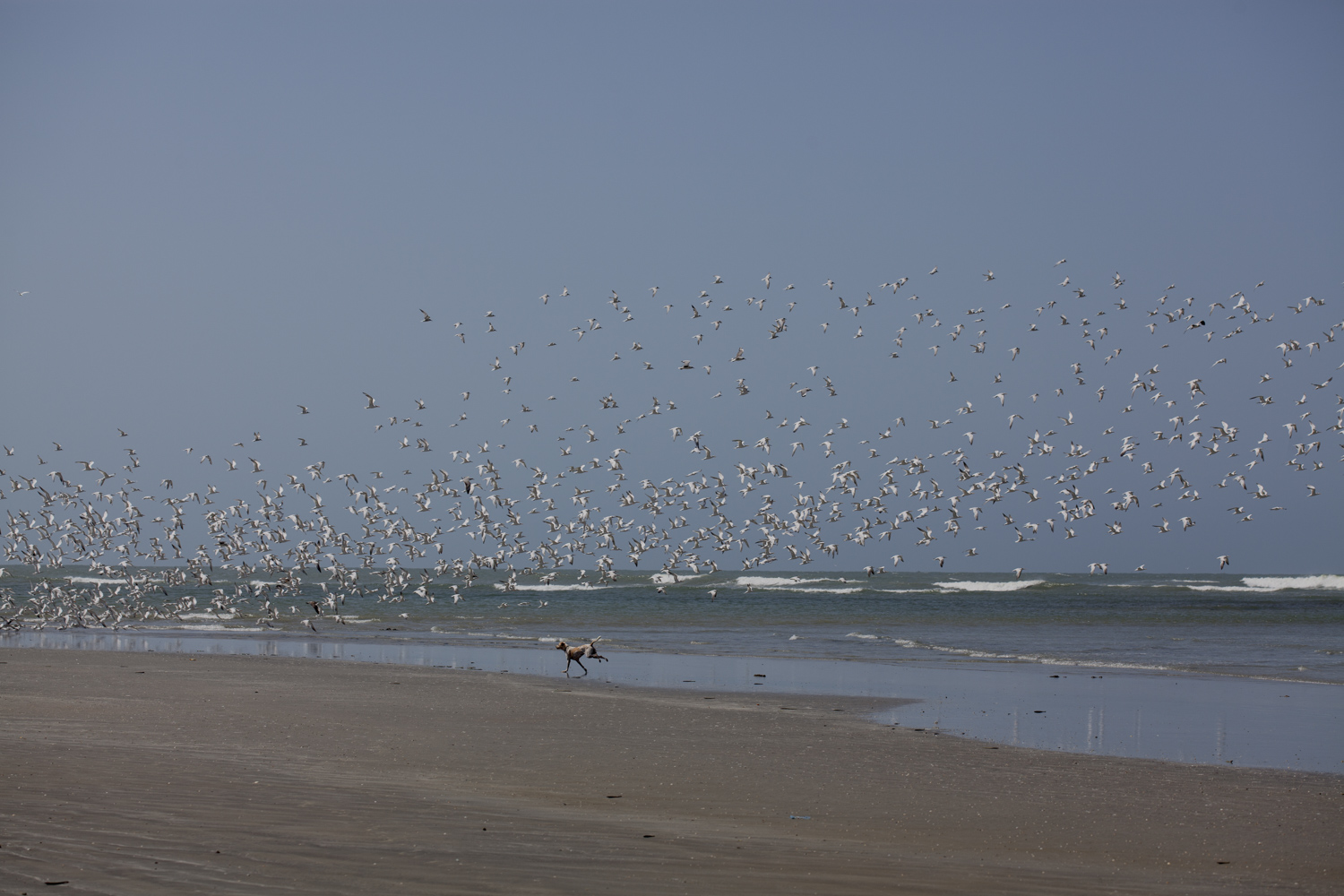
As mentioned, I’ve been coming down here for many years – and in recent years, with Jason (he has also been traveling down here, independently, for just as long as I have, working on a long term project ‘Makasutu‘). But, as a woman, it’s one of the few places in the world where I feel utterly safe, walking around alone. Okey, yes, The Gambia is well-known for its bumsters – those guys who hassle you on the beaches, ‘Boss lady, what is your name, where are you from‘, follow you along the street, looking to guide you, trying to find any which way to ingratiate themselves with you. They certainly have the patter down. We often joke, when you hear them all spouting the same lines again and again, about how there must be a ‘Bumster School’ somewhere in The Gambia . But, it’s really no different from most any other country in the world, where tourism thrives, that you will find variations of this kind of mentality (and who are we to blame them, when seemingly, we ‘toubabs‘ have everything?). However, on the whole, the bumsters are a pretty harmless bunch, and much fewer and far between around most of the rest of the country. Besides, if you really want to escape them, it’s not that difficult, just head down the beach a mile or so – they don’t tend to stray too far from the masses, where the pickings have the potential to be more plentiful!

A friend from the UK visited recently, for the first time, despite her friends and family recapitulating monotonously: ‘but what about Ebola?!‘. (we know exactly how she feels, as we get it from family and friends constantly).
‘I originally came to Gambia after so many friends or people I met came back from holidaying or travelling there and all had only positive things to report. Many return year on year and having just spent 13 days there myself, I will without doubt be returning again and again to continue exploring this beautiful country in West Africa and beyond. Such an amazing blend of cultures, sunshine, great food, beaches and nature‘ Bee, Surrey, UK
Thankfully, Bee has travelled, she did her research and concluded, rightly so, that although it was West Africa she was coming to, The Gambia is EBOLA-FREE! And, next time she wants to bring her young son. Hurrah!, and thanks from us here in The Gambia, for those who do their homework and are not deterred, despite the negative media coverage!
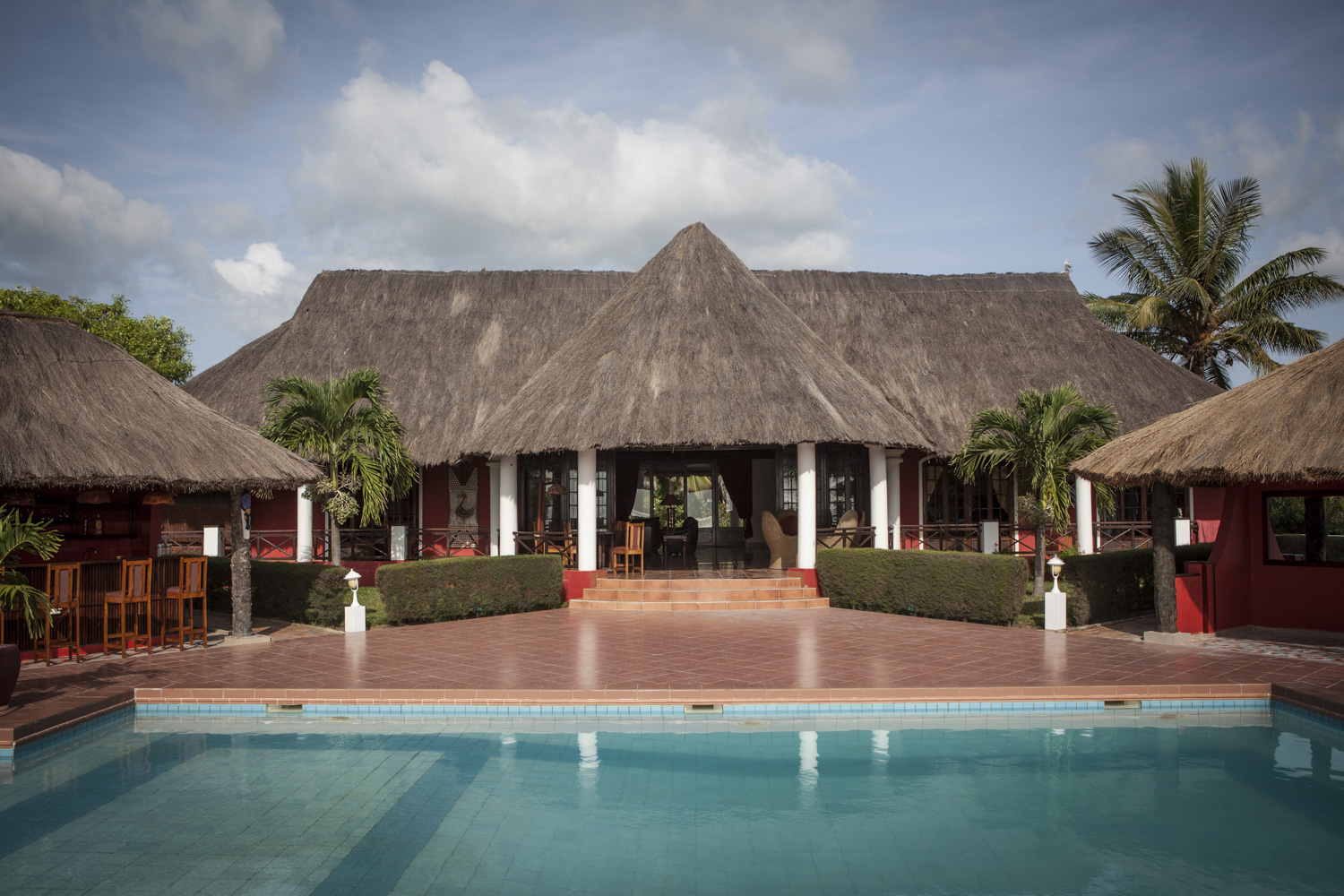
There are many beautiful places to stay, along the coastline (cue The Travel Show intro music).
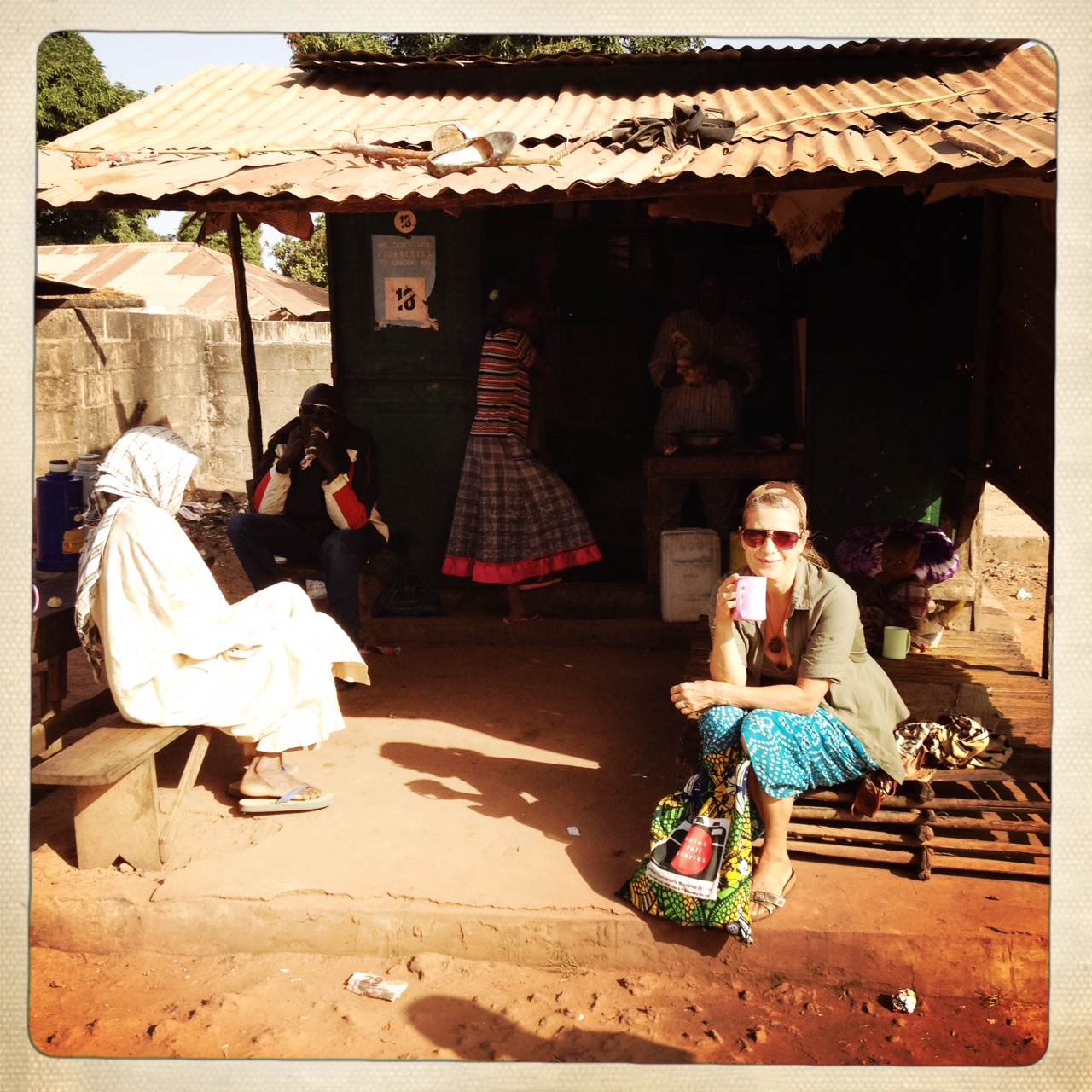
This, the smallest of mainland West African countries has so very much to offer (I really am starting to sound like an infomercial!). And, yes, it is West Africa but, please, just look at a map, notice the distances, the borders in between, from the Ebola-stricken countries, and do your homework (WHO is a good place to start, for facts) – i.e. don’t just listen to scare-mongering news. It’s already beginning to sound like a cliché, but would you stop going to Spain, Scotland, or the USA, because there are/have been confirmed cases there? You get my drift?

So, come on down, the water is fine (although a wee bit fresh at this time of year) and you may well have a whole beach to yourself. We’ll be happy to shout you a Julebrew!
You may like to check out what has been bringing us back to The Gambia, time and time again: ‘A Short Walk in the Gambian Bush – 930km African odyssey‘; ‘River Gambia Expedition – 1044km source-sea African odyssey‘; ‘Traditional Masquerades‘
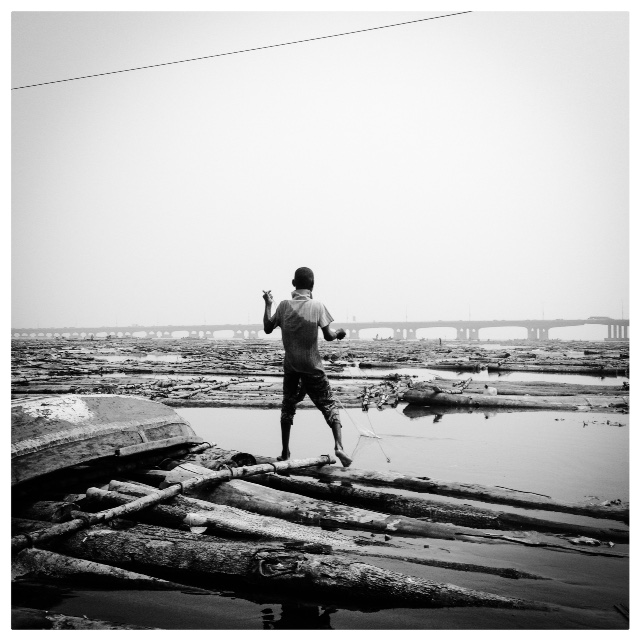
‘Sunday’, fishing at the Makoko stilted slum, Lagos, Nigeria, West Africa – Sunday is a 14 year old boy from Benin. Many people living in Makoko slum are immigrants from Benin. Instagram image © Jason Florio – taken whilst on assignment for Bloomberg Markets
 PHOTOS TELL STORIES - documentary | filmmaking | photography | people | travel