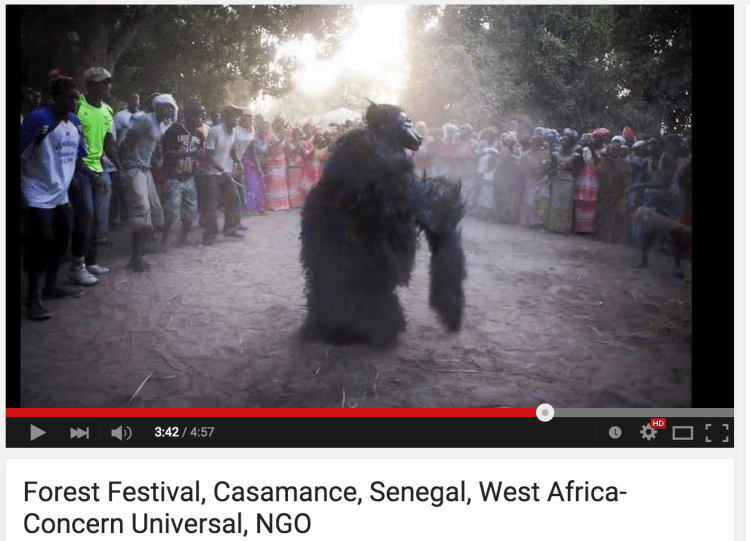
The Kankurang – a secret society – used in traditional Mandinka initiation rites, whose rituals can be seen all over The Gambia and Senegal, West Africa.
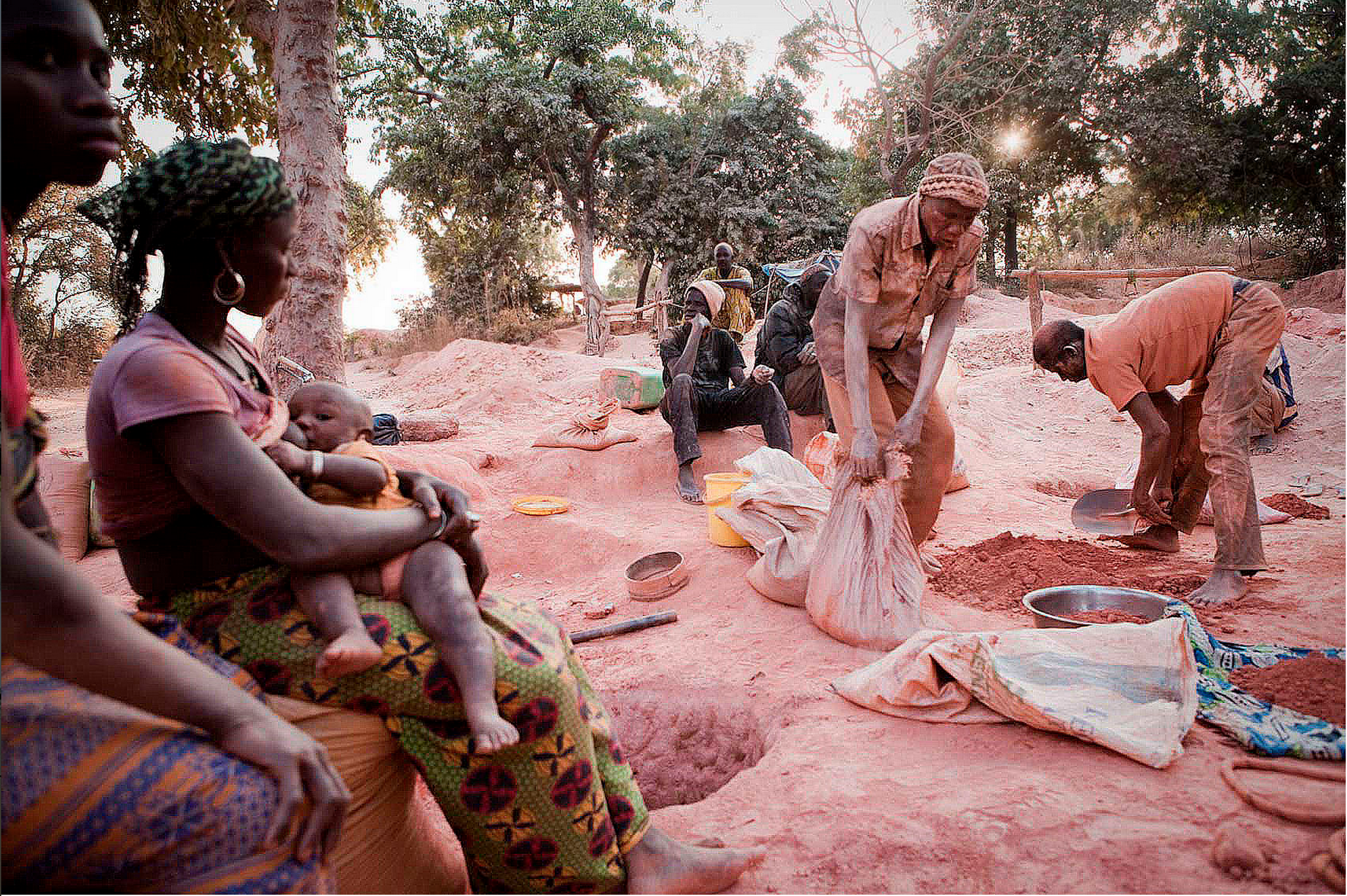
‘The section from Kedougou to Mako is known as ‘gold country’. For centuries the land on either side of the river has been continually pock marked by thousands of narrow mine shafts. We were warned about camping in these lawless areas, filled with anxious men and women, eyes bent on gold and not to be trusted. As I peered down one of the shafts, my eyes adjusted to see a labourer hunched, with axe in hand, a weak Chinese headlamp dotting the path of his striking tool. Watching the daily descent of these people into deep shafts, hauling the gold-bearing quartz and crushing it by hand, all while enveloped by air choked in fine dust made me realise what hard work it was. The unapologetic Sahelian sun seemingly has a softening effect on even the surliest of people because we were only ever treated courteously by them.‘ Jason Florio ‘The River Gambia’ – for Sidetracked Magazine, Read the whole feature here.
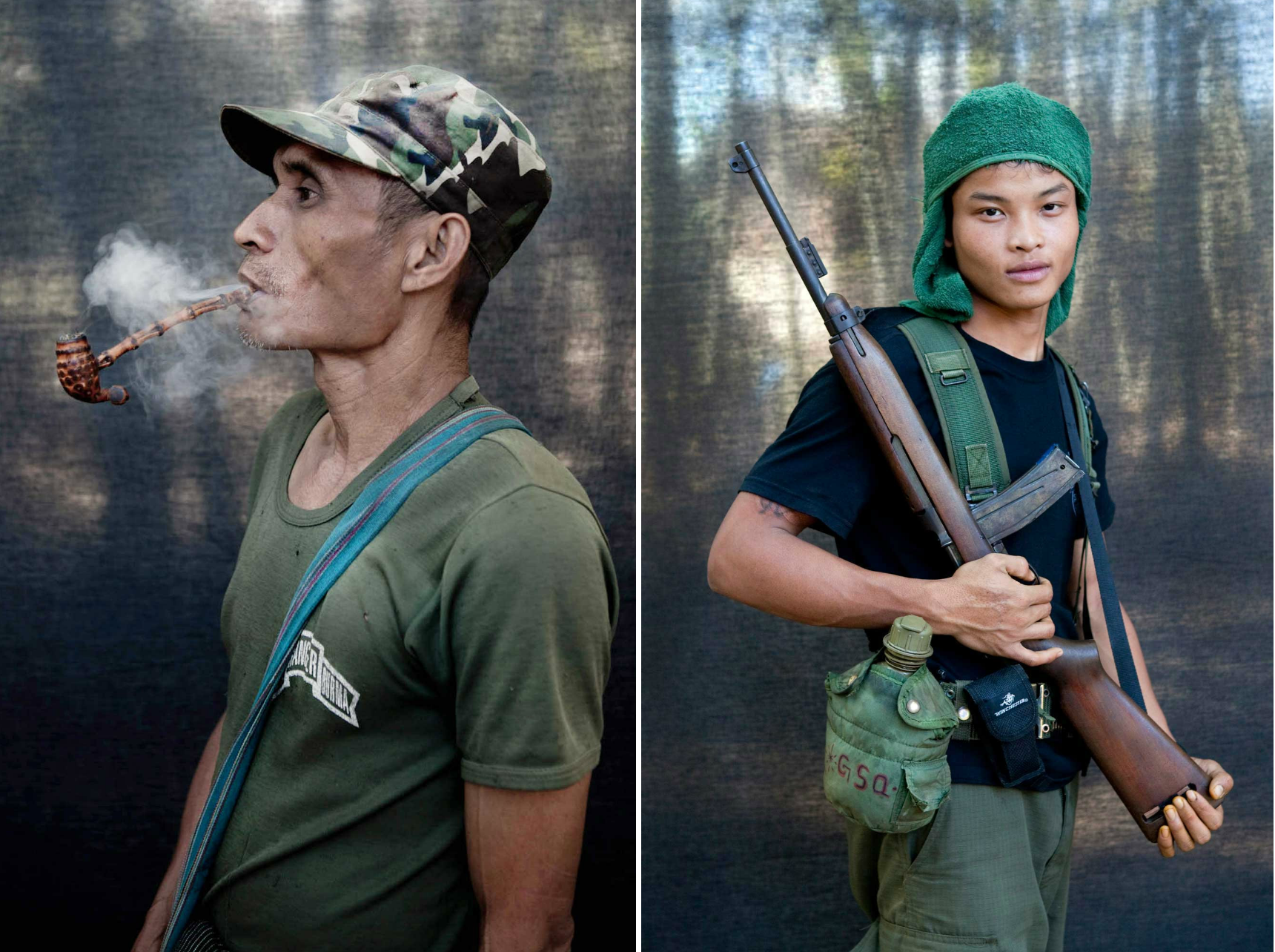
‘For 62 years, in the Jungles of Karen State, Burma, the Karen people have been fighting for their very right to exist in what is now considered the worlds longest ongoing conflict…’ Jason Florio, Burma, 2012. Read more here.
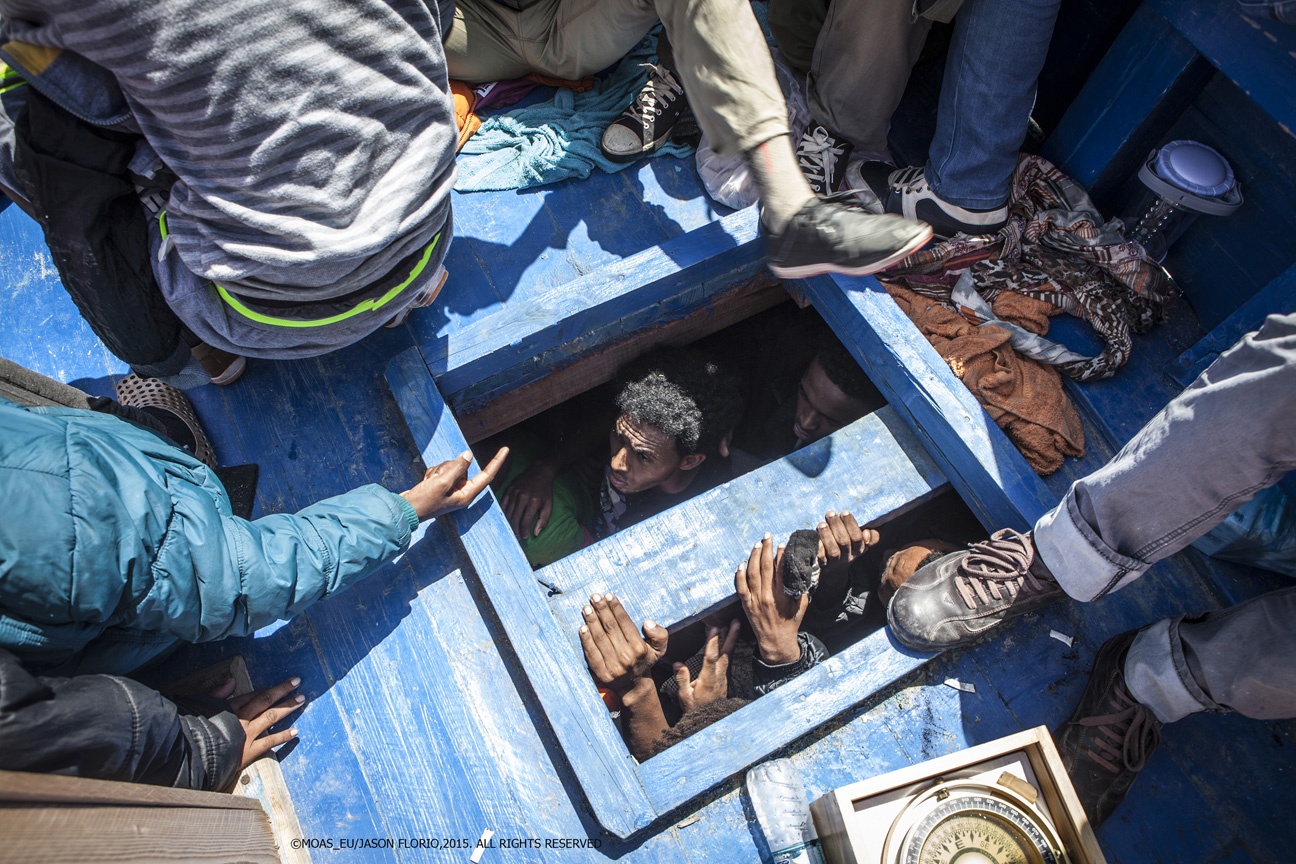
Over the last month, Florio has been working onboard the Phoenix – for MOAS (Migrant Offshore Rescue Station) boat – documenting the rescue of 1000’s of migrants, off the coast of Libya; migrants coming, predominantly, from West Africa, East Africa, and Syria.
Seeing the images of all those people – all of whom are so desperate as to risk their lives, and often those of their children too, as whole families are on wooden fishing boats that are, nowhere near, made to take 400-500 people – reminded me of when we were on our ‘River Gambia Expedition‘, over-grounding and then paddling, we followed the course of one of Africa’s last remaining, free-flowing, rivers; from its source in the Fouta Djallon Highlands of Guinea, through Senegal, and on to the mouth of the mighty river, in The Gambia, West Africa.
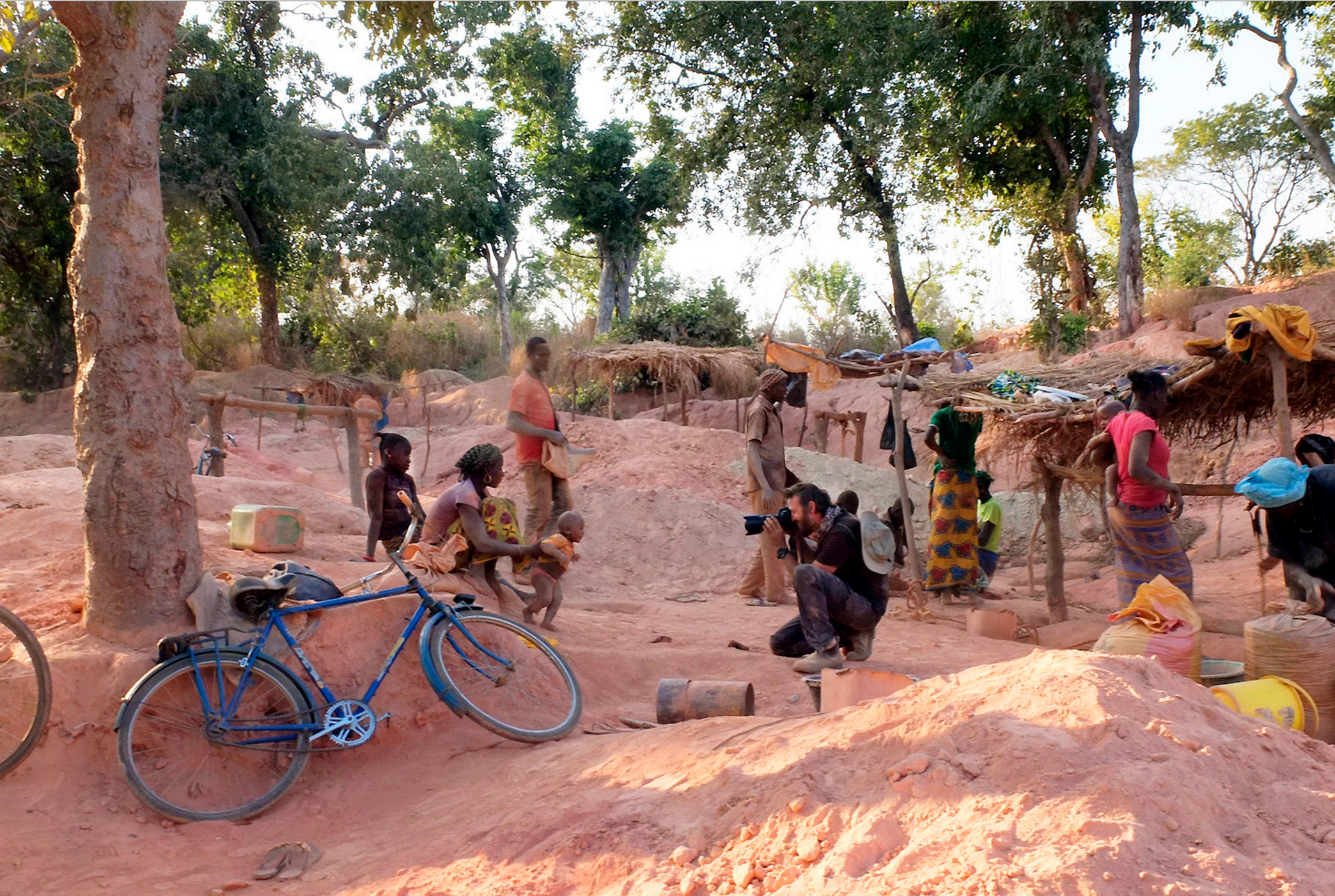
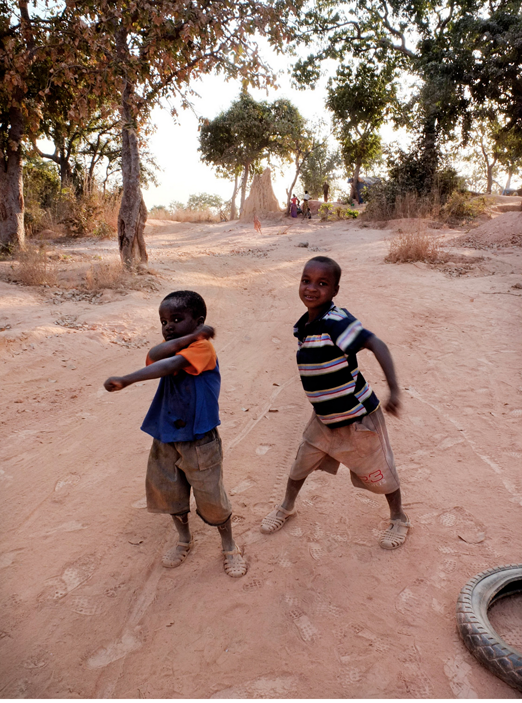
We came across many, many migrants, from all over West Africa – both economic, and those fleeing from regimes which threatened their very existence. In the artisanal goldmines of South East Senegal, we met families, who had migrated either together, or the men settled first and then sent for their wives and children later
Like the boat migrants, they too were risking their lives, every single day, working in unregulated and extremely dangerous conditions, climbing down man-made holes – dug out with pick axes – 15+ metres deep, in some cases; ones which often implode, causing fatalities and maiming. All this, in the hope that they will be one of the very lucky ones, who will find a nugget of gold, to make their fortune, and to feed their family.
‘Whole families live in and around the mines. All the mines we visited were understandably dusty, but this one in particular had an extremely fine, pink-hued, dust which got absolutely everywhere. Even our tents, situated by the river – over 2 miles away from the mine itself – were covered in a fine film of the pale pink, talc-like, dust. But, at least we could pack up our tents and leave the next day. Many of those people, whose lives revolve around the gold mines, are inhaling toxic fumes from the mercury – used to separate the gold from the rock dust. The mercury that isn’t inhaled, settles into the environment – i.e. the pink dust that coats everything and everybody, at this mine… ‘ Helen Jones-Florio – See more at: River Gambia Expedition
Most of the miners we spoke to had, after many months, and even 1-2 years, of treacherous, backbreaking work, had found not one solitary grain of gold. And, so, they have little choice but to pack up and migrate to the next place, wherever that may be. Some of those we met, I feel sure, will have gone the ‘back route’ – overland, to Libya, to try to get onto a boat to Europe, in pursuit of a ‘better life’. Despite the dangers, involved in this tremendously risky journey, where many lives are lost on route or at sea, it is still preferable to returning to a country that either cannot or simply will not support them.
If you would like to read more about our journey, along the River Gambia, please check out River Gambia Expedition and floriophoto.com for more images, by Jason Florio, of the people we met along the way.





 PHOTOS TELL STORIES - documentary | filmmaking | photography | people | travel