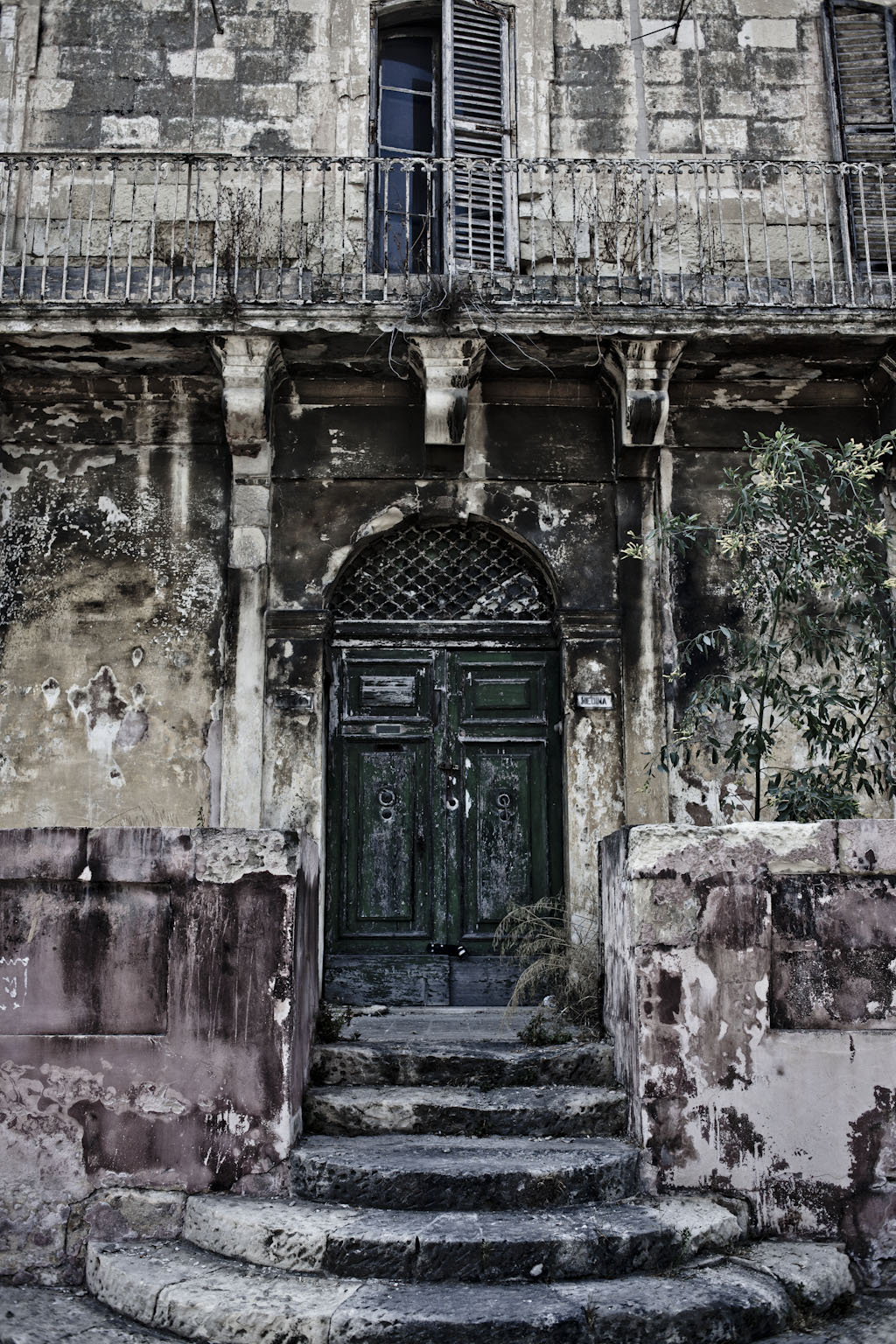
On my many meanderings around the streets of Malta, I often come across sites, such as the above. Beautifully decaying doors – from another place in time – starkly juxtaposed by the surrounding modern, steel and glass environment. Yet, conversely, you could very easily walk right past these exquisite, woefully neglected, facades, without even noticing them.
What is behind the doors… now, that’s what I’d truly like to see… .
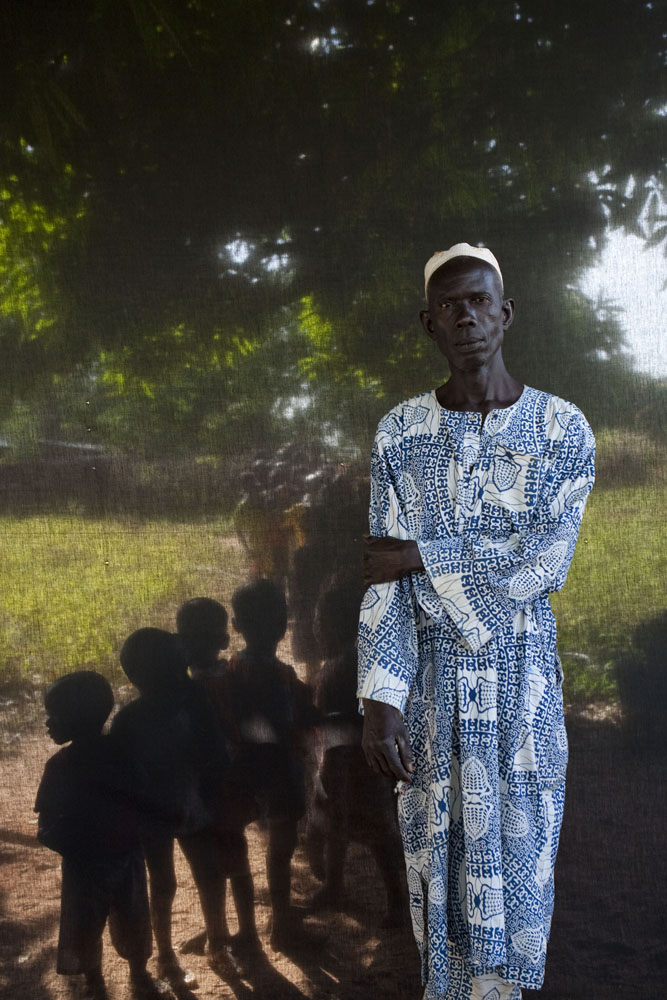
Jason Florio photographs village chief, Lamin Jammeh, Khalaji, The Gambia, West Africa – videography by Helen Jones-Florio. Click here or above image to view footage
I have ridden in many, many, taxis in parts of Africa where cracked windscreens seem to be de rigueur. However, this one defied the realms of possibility. The screen – barely held together (it wasn’t even taped up!) – has to be the finest I have seen… yet, that is.
Knowing how much dedication and hard work the whole crew, and MSF (Medecins sans Frontieres) – along with photojournalist, Jason Florio – had put into yet another successful mission, I was honoured, to be able to watch, from the vantage point of one of Malta’s ancient ‘Three Cities’, Birgu, as the Phoenix glided into the Grand Harbour, yesterday.
The MOAS owned vessel (migrant offshore aid station) was returning from Sicily, after disembarking, for the fourth time in their three week mission, another boat full of rescued migrants. from the Bouri oil fields area – which lie about 40km off the coast of Libya, in the Mediterranean Sea.
Then, a quick dash through the back streets of Malta (thanks to Charlie, the MOAS driver, whose Maltese style of driving invariably brings the the contents of my stomach up to my throat!) towards the Bezzina Boat Yard , to catch the Phoenix as it docked, and the crew disembarking, smiles, laughter – and a few tears – happy to be welcomed by family and friends. And, perhaps with some relief, to have a little respite from the exhaustive, and often emotionally-charged, rescues of hundreds of men, women, children, and babies – many of whom, openly sharing their hellacious experiences of war, persecution, rape, abduction, and extortion. And, then, to be pushed out to sea – for many, their first time ever on open water – in battered, old, wooden fishing boats, originally made to hold a small crew of fishermen, not the 400 plus people, crammed onto (and below the decks of) most of them.