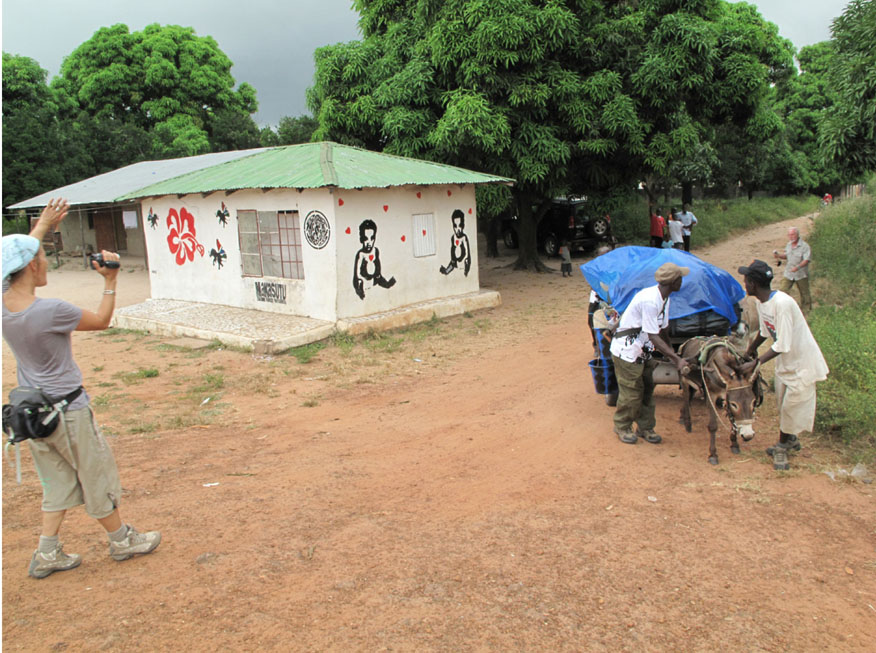
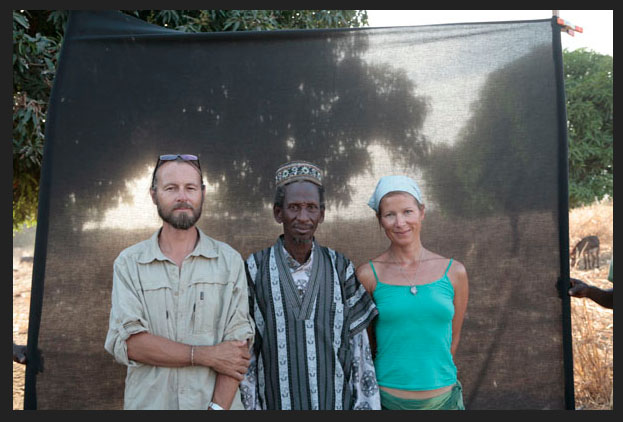
L-R: The Short Walk team, 2009:- Momadou Cham, Jason Florio, Alkalo Manneh Cham, Helen Jones-Florio, Abdoulie Janneh – Image taken by Samba Leigh (also a team member)
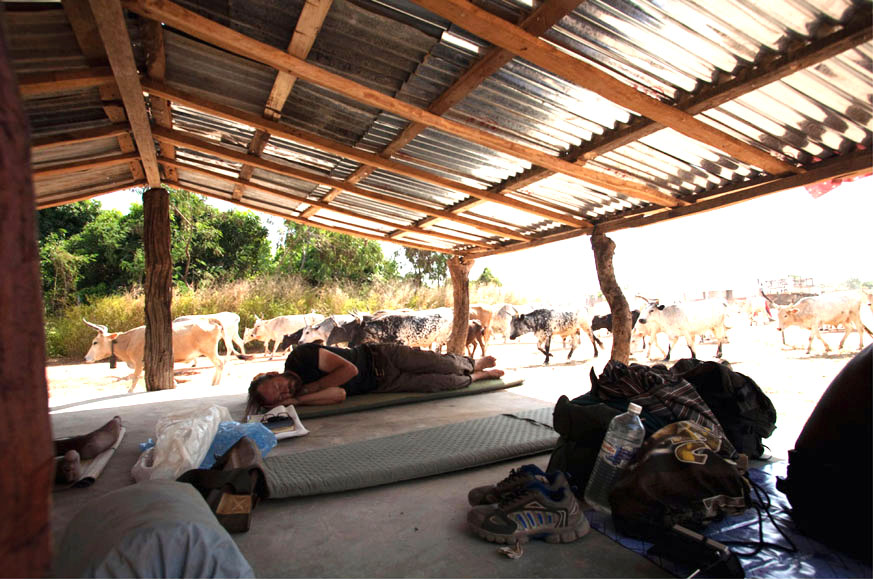
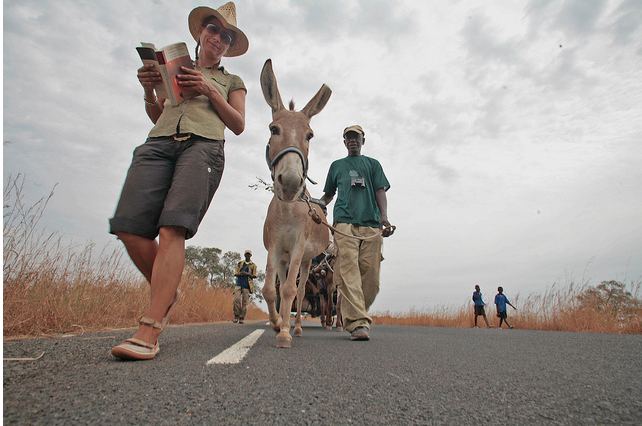
In 2009 we turned left at the gate, from Makasutu Culture Forest, to embark on the first ever circumnavigation of The Republic of The Gambia, West Africa, completely by foot, with two donkeys – Neil & Paddy – (courtesy of The Gambia Horse & Donkey Trust) and a cart, to carry our camping and camera equipment.
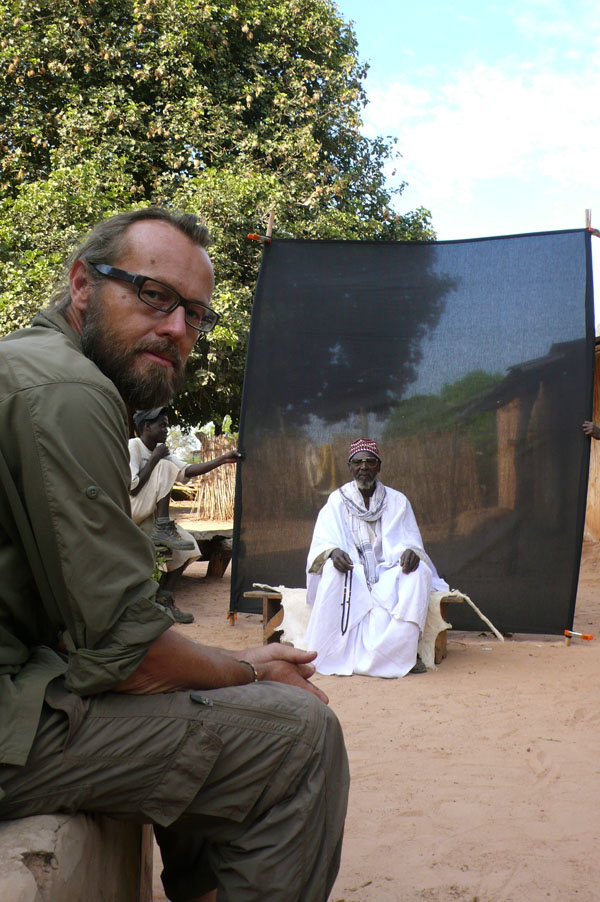
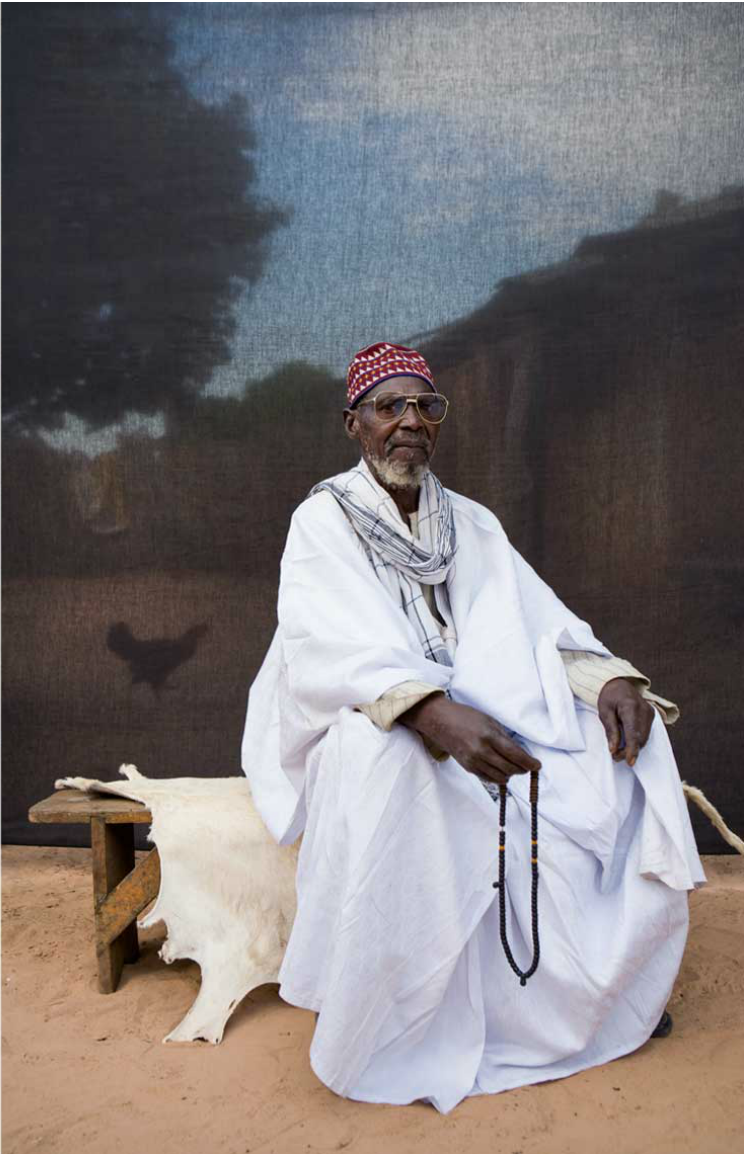
At the end of each day, we presented ‘silafando’ (the traditional gift giving of kola nuts) to the village chief – the alkalo – and asked permission to pitch our campsite for the night, along with a request to take a formal portrait of the chief and, at times, the village elders.
‘A New York dinner party isn’t the place to open your mouth and not follow through – no matter how much Brooklyn Lager you’ve drunk. Yet, after a fellow guest told my partner, Helen, and I how he had walked 500 miles across Europe on the El Camino de Santiago pilgrimage, we declared that we’d been contemplating a journey for some time and a long walk sounded like just the thing… ‘ read the full story here: You People Cannot Walk, You Only Move in Cars‘ – The Independent .
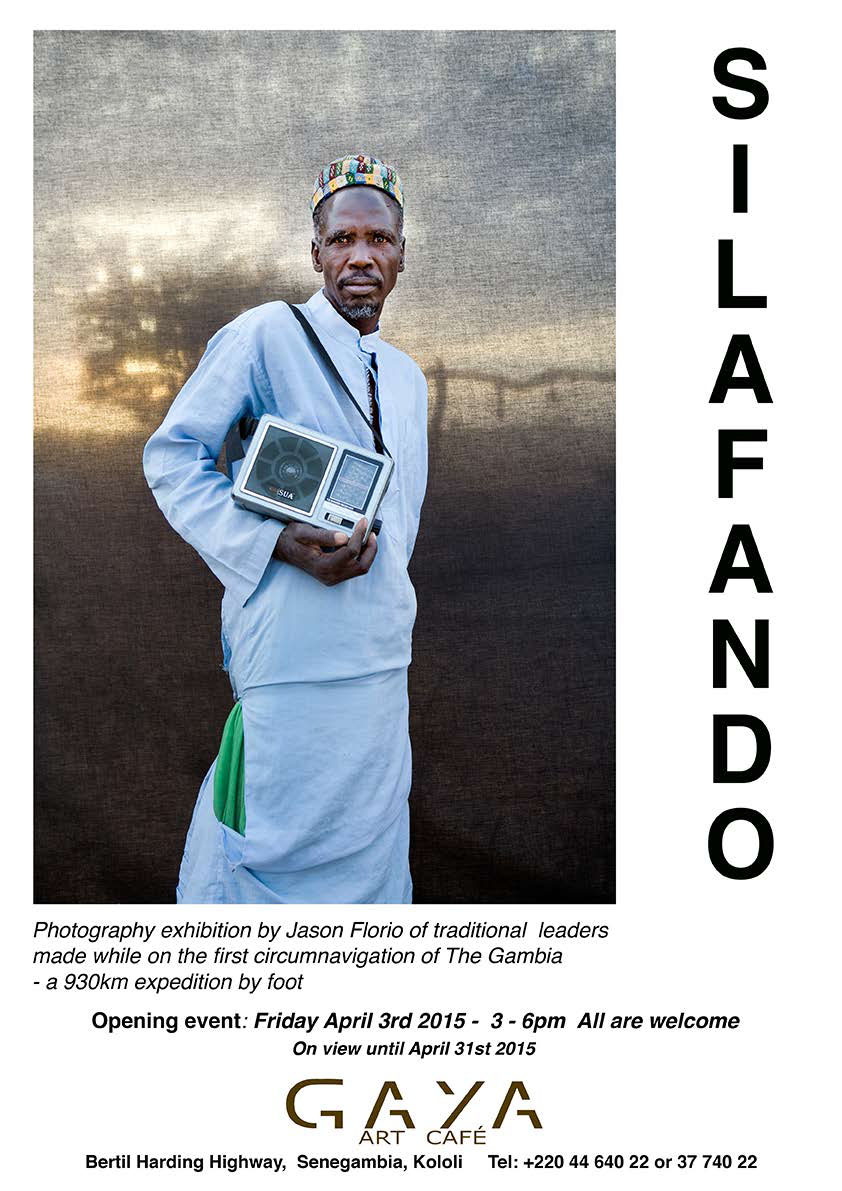
‘Silafando’ is an award-winning body of work, which has been published and exhibited around the world and now, for the first time, we have been given the opportunity to do something we have dreamed of doing, since we finished the walk, and that is to exhibit them here in The Gambia (we are indebted to Athens Photo Festival,APhF:15, for shipping the prints to West Africa).
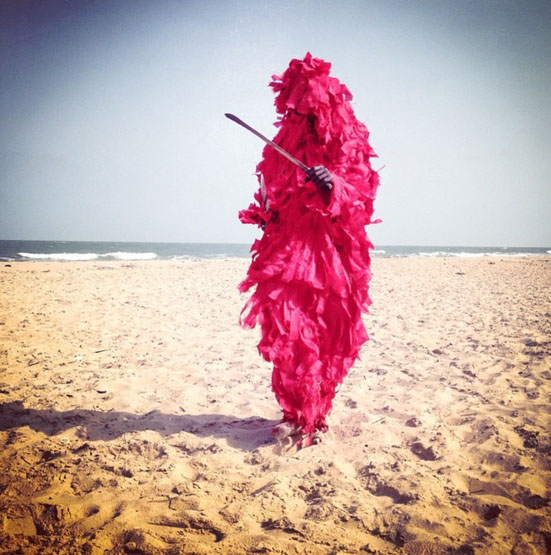
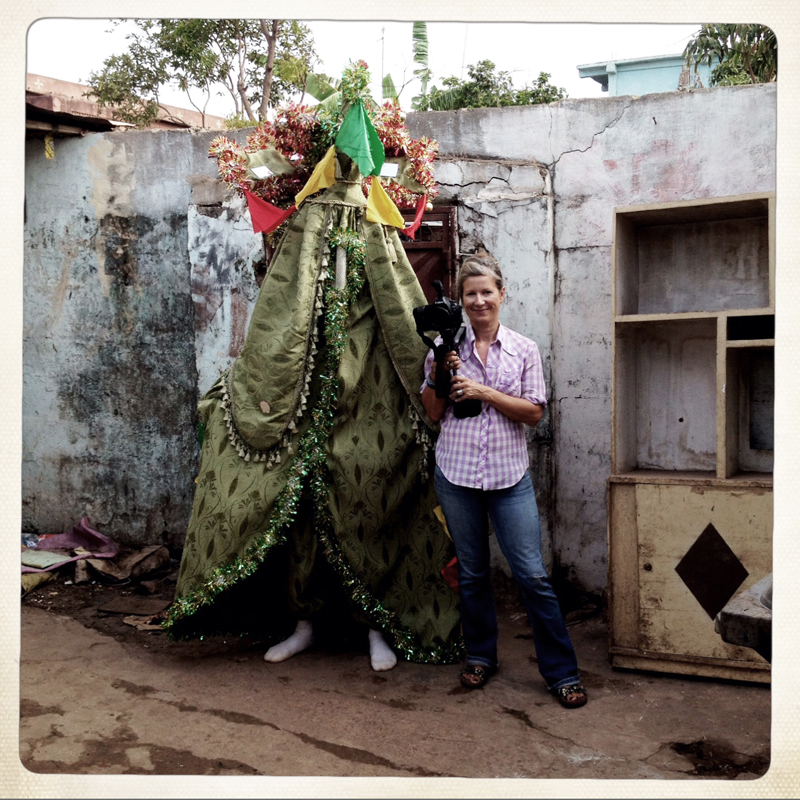
To read more about the machete wielding Kankurang, and why this particular Mandinka masquerade was on the beach – made from recycled plastic rice sacks – in The Gambia, West Africa, please see previous post.
Walking along the beach, near Brufut, on Sunday, Jason and I happened across a Mandinka initiation ‘Coming of Age‘ ceremony – a traditional rite of passage. Three young boys had been brought to the beach, to be ceremonially washed by older boys, former initiates, as part of the final stages of their circumcision process.
The Kankurang – whose identity is always a closely guarded secret – is an integral part of the ceremony. Surrounded by the former initiates, he struts around the young boys, menacingly wielding two machetes, clashing them against each other, gesticulating, and often emitting a high pitched cry. All is part of teaching the young boys the rules of behaviour, the importance of tradition, cultural identity, and a sense of community, as they enter into manhood.
Despite the bombardment of urbanisation, these age-old traditional masquerade ceremonies remain widely practiced throughout Gambia – not just in rural areas but also in urban areas, particularly by young men. Therefore, it’s not uncommon for us to walk out of our compound gate, on the outskirts of urban Bakau, to see (and hear!) a group of young boys, clapping and singing, beating sticks on a cardboard boxes, as they follow in the wake of a kankurang – whilst keeping a respectful distance. Who knows when the mysterious, shrouded, one will turn around and run at them, clashing his machetes.