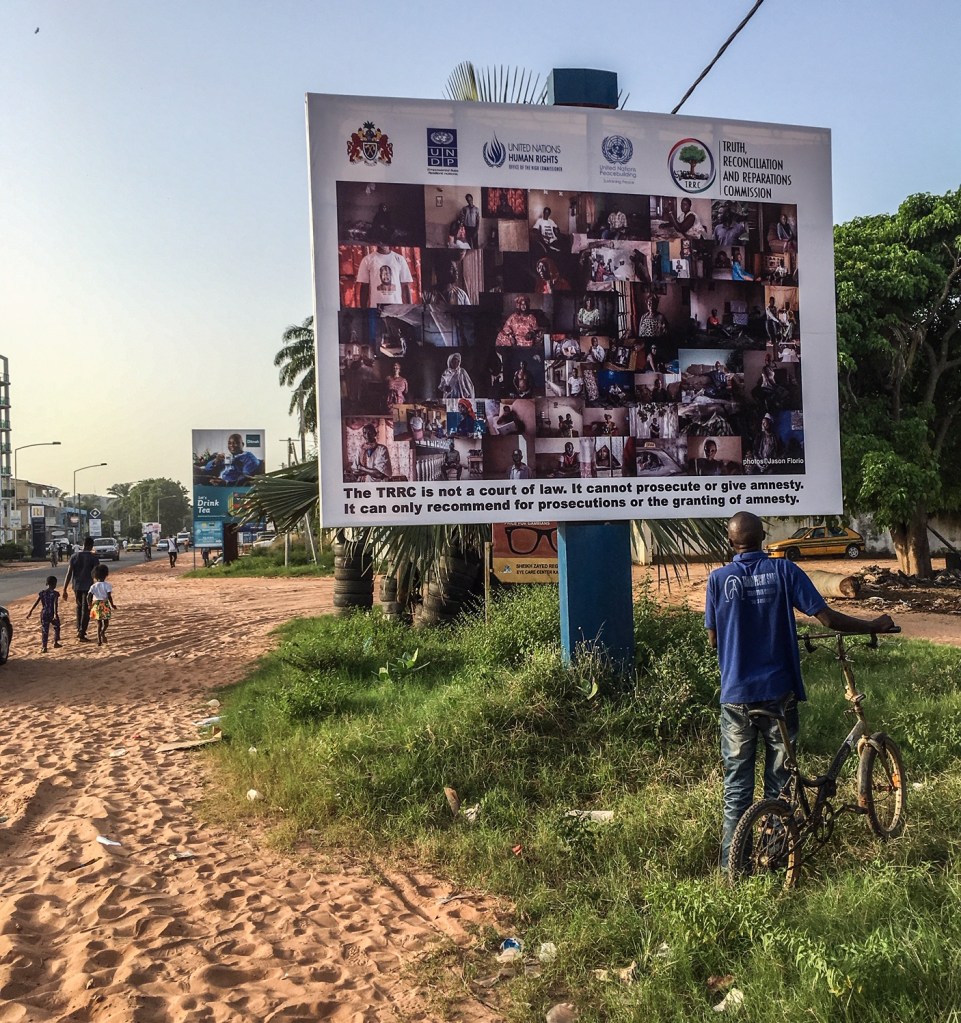
‘The TRRC is not a court of law. It cannot prosecute or give amnesty. It can only recommend for prosecution or the granting of amnesty’
Billboard – Gambia Victims, and Resisters. Through these portraits and collected testimonies, we share the plight of the victims of the former regime of Yahya Jammeh. Huge respect and thanks to the British High Commission Banjul, the Truth Reconciliation, and Reparations Commission (TRRC), and UNDPGambia, for their support.
“I’m in the hot seat, right now” Edward David Singhateh, former junta Vice Chairman
“It’s not that hot…yet!” Essa M.Faal, Lead Counsel , Truth Reconciliation, and Reparations Commission (TRRC)
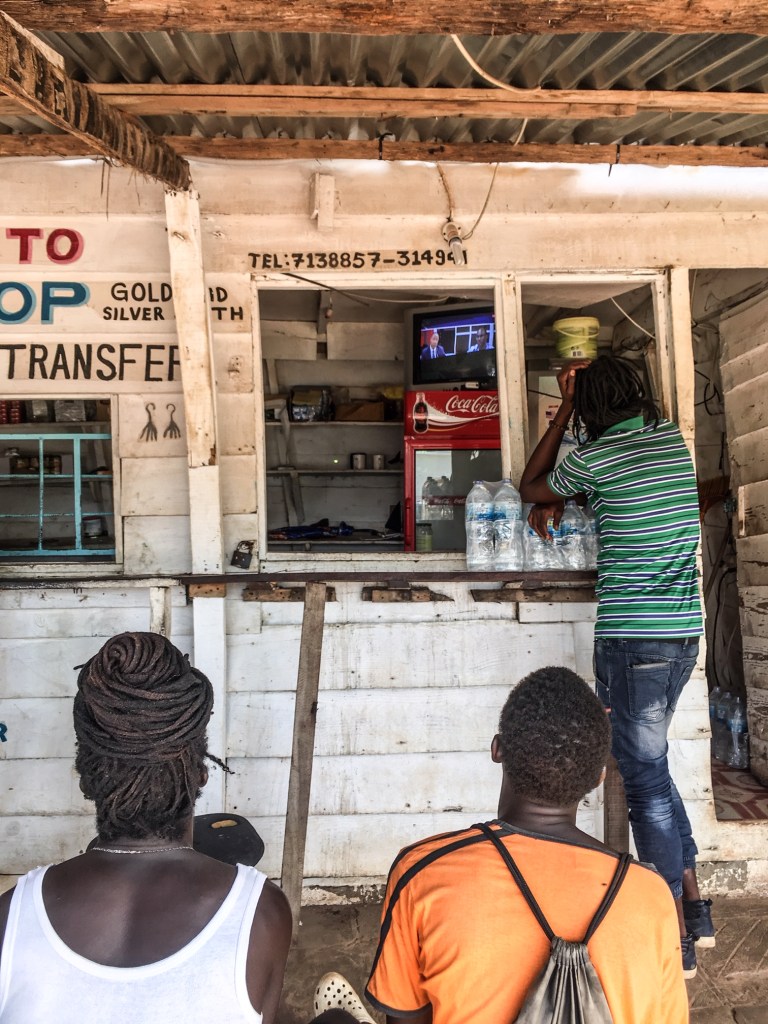
Wednesday 16th October 2019- Day 1: Edward David Singhateh‘s testimony begins at the TRRC, The Gambia, West Africa. Singhateh, one of the instigators of the July 22nd, 1994, coup d’état with Yahya Jammeh, has been implicated in the mass execution of counter-coup army officers on November 11th, 1994. Singhateh has also been named in the murder of the former Finance Minister, Ousman Koro Ceesay, who was killed in June of 1995
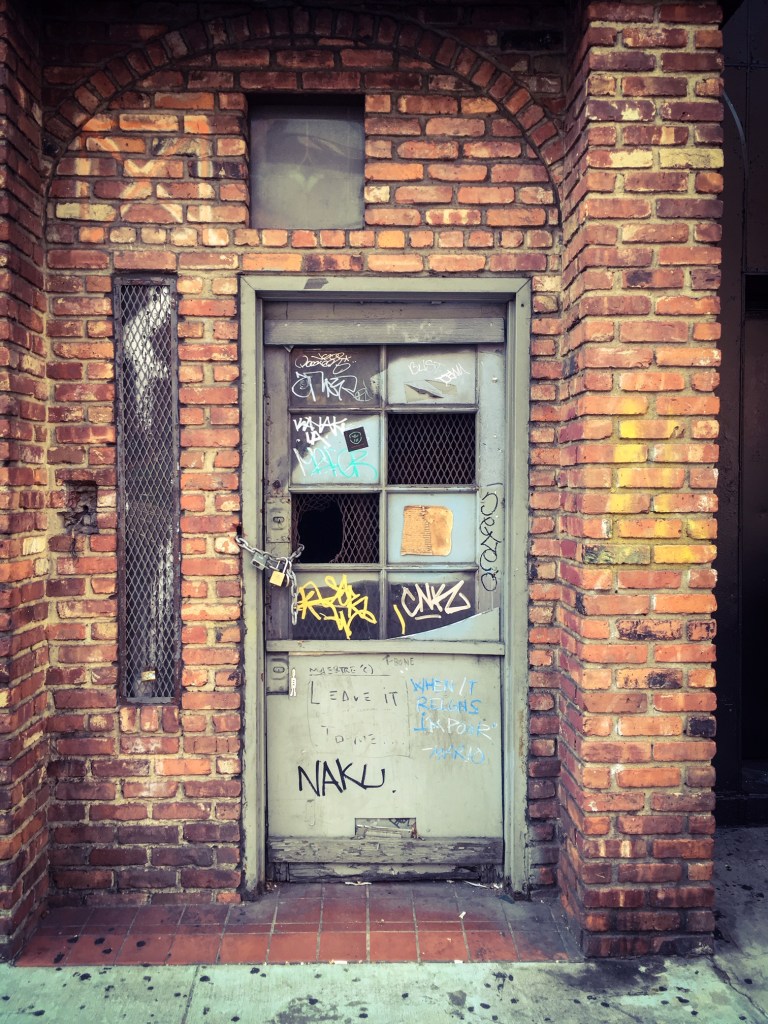
‘Helen Jones-Florio, always ‘unhiding’ doors that would remain for most unseen , thank you for guiding the eyes and mind’- NYC-based photographer, Michel Delsol
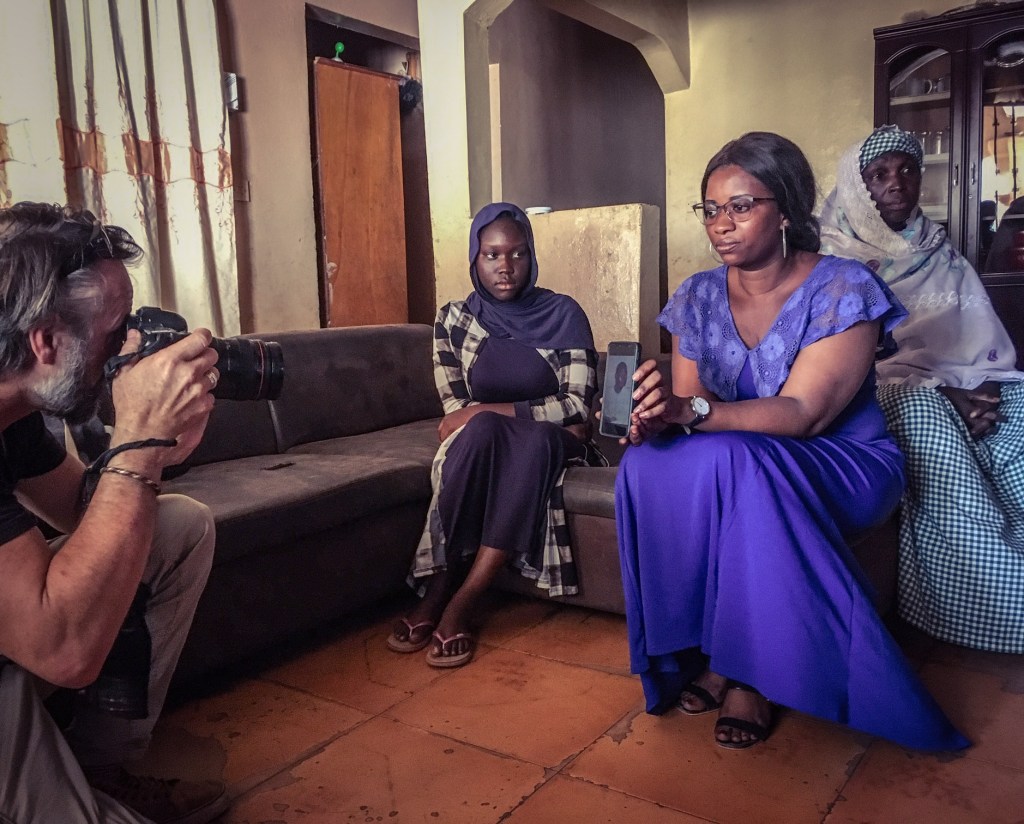
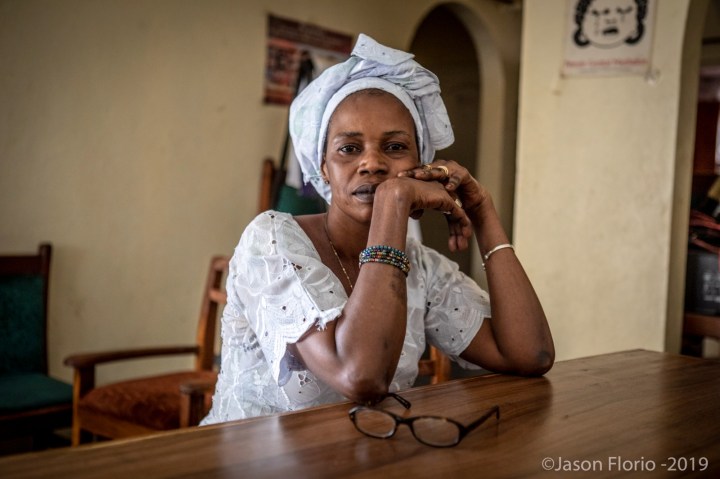
“From the time I started the concoction, I got weaker and weaker, my condition got worse. After July, I went to the MRC – which had been my treatment centre – and tested. My CD4 count had dropped to 80 – a threat to me, anything can happen” Fatou Jatta, survivor Jammeh’s HIV/AIDS ‘cure’ program and Member of the Santa Yalla Support Society
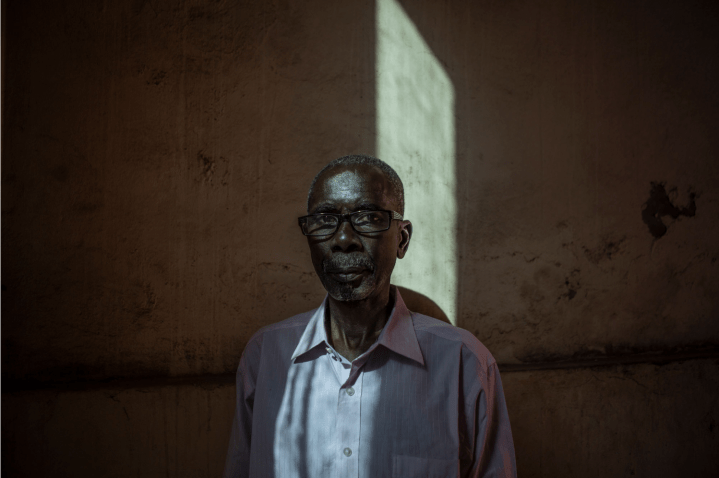
In 2007, then President of The Gambia, Yahya Jammeh, announced that he could cure HIV/AIDS with his secret herbal concoction. Jammeh ‘invited’ (under his harsh dictatorship, many survivors say that they were coerced) Gambians living with HIV and AIDS into his Presidential Alternative Treatment Programme. He also ordered them to stop taking antiretroviral drugs, which in some cases proved fatal – as in the case of Lamin Moko Ceesay’s (pictured below) wife who died as a result of stopping her antiretroviral drugs on the orders of Jammeh, when she took part in his treatment program.
Also, without the consent of the patients, Jammeh’s administration of his herbal ‘cure’ was often televised to the nation.
UPDATE SEPTEMBER 2019:AIDSFREEWOLD: The survivors filed complaints with The Gambia Medical and Dental Council against Dr. Tamsir Mbowe and Dr. Malick Njie, both of whom served at different points as Jammeh’s Minister of Health. Fatou Jatta, Ousman Sowe, and Lamin “Moko” Ceesay signed the complaint against Dr. Mbowe; Fatou Jatta filed the complaint against Dr. Njie. (Read the letters here.) The survivors are supported in their actions by AIDS-Free World, the Gambia-based Institute for Human Rights and Development in Africa (IHRDA), and Combeh Gaye of the Gambian law firm Antouman A.B. Gaye & Co.