Kemoto Point, The Gambia, West Africa – ‘River Gambia Expedition – 1044km source-sea African odyssey‘ January 2013
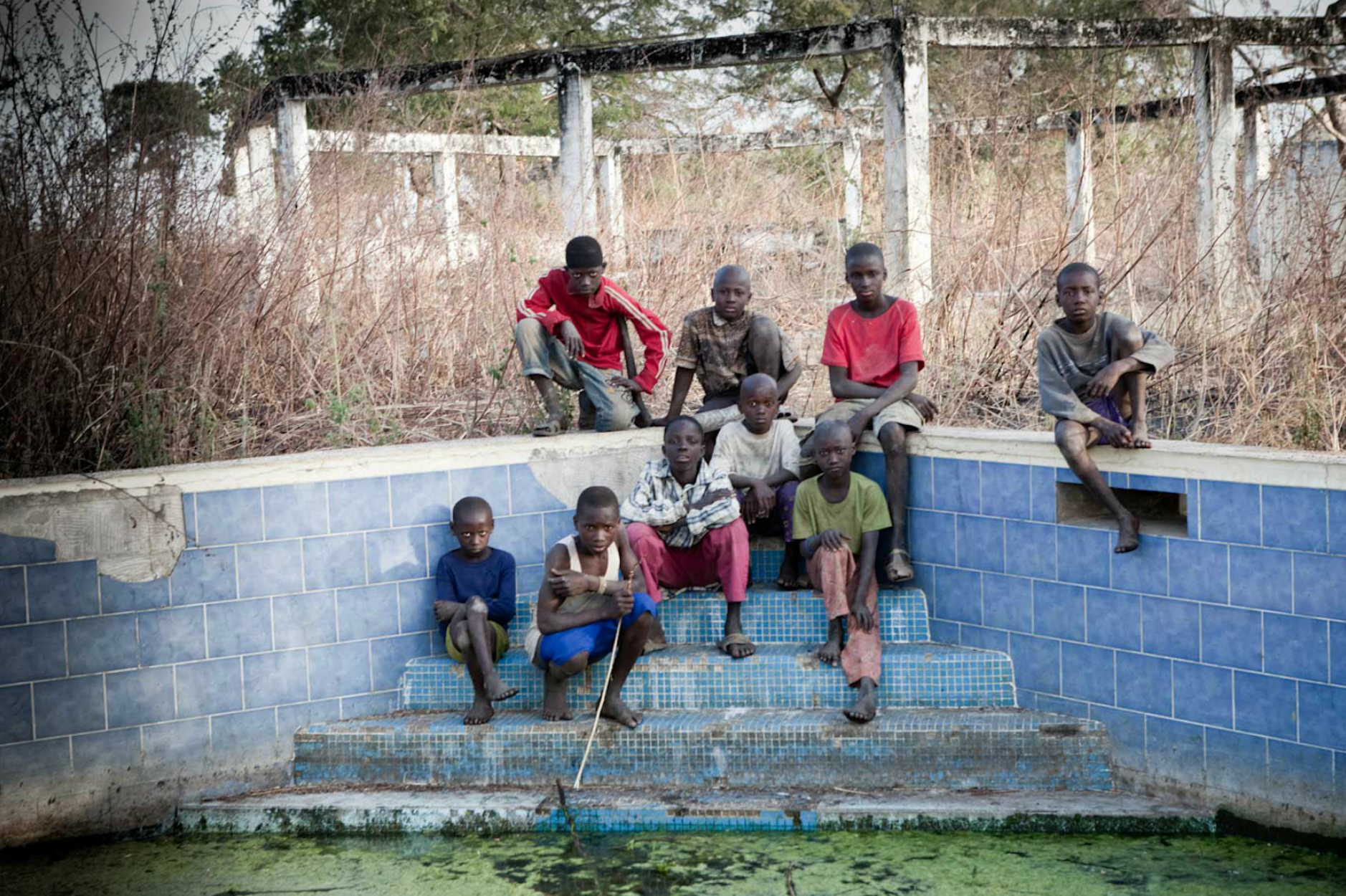
Paddling up, in our two foldable canoes, towards the shore of Kemoto Point, we could see that our arrival was not going unnoticed – we were being closely observed by a dozen or so young kids, and a couple of elderly gentlemen, sitting smoking, by the rivers edge.

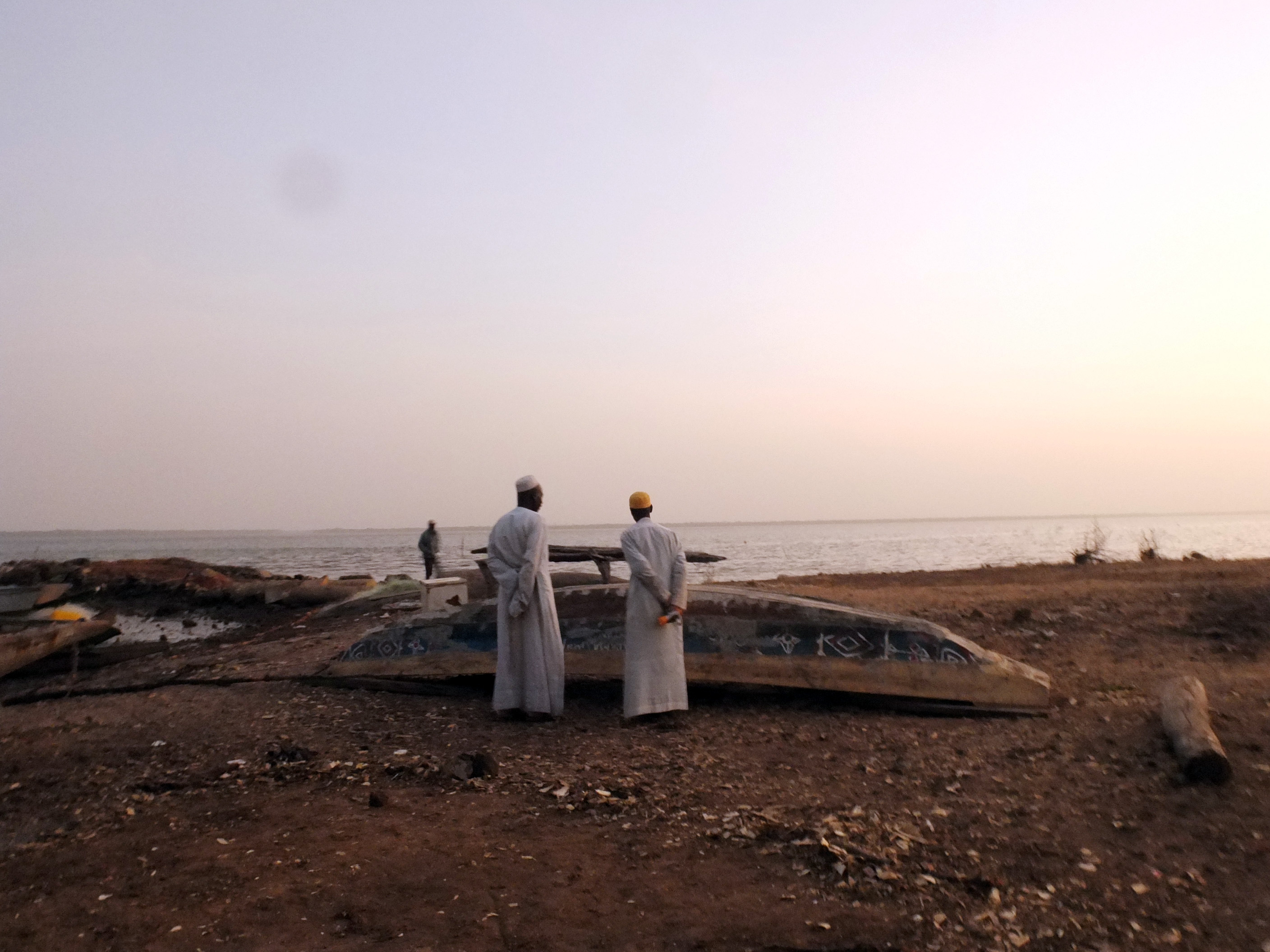
This kind of avid interest in us, was an all too common occurrence, throughout the whole of our journey, down the River Gambia, which began at it’s source, high up in the Fouta Djallon Highlands, of Guinea-Conakry. In Kemoto Point, however, we had our first real experience of a village which appeared to be populated by young kids, women, and older people – and no youth, to speak of.
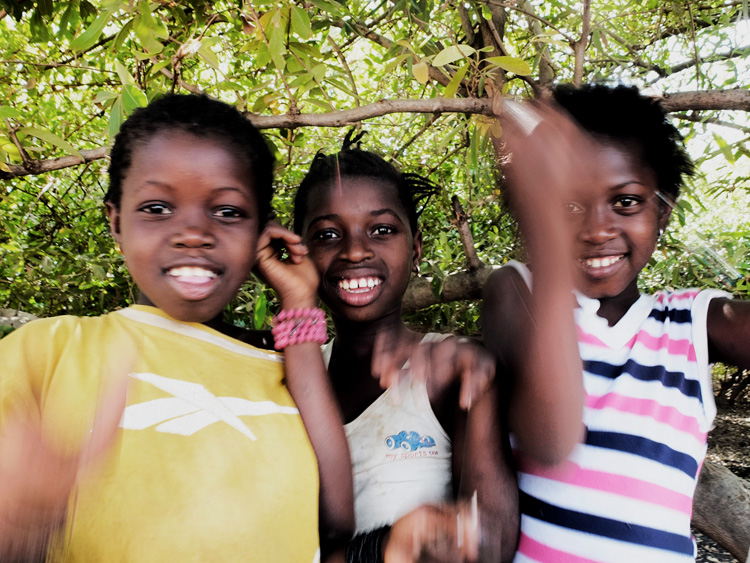
After we made camp, our vigilant audience of young kids, grew in numbers, as the word went around that there were ‘toubabs‘ in town. They vied excitedly for our attention, telling us about an abandoned hotel that they wanted to show us. Intrigued, we allowed our boisterous entourage to lead us through the village, introducing us to their mothers, and grandparents, along the way. As we walked around, Florio and I began to notice that there seemed to be a distinct lack of men, particularly between the ages of 16-25. Where they all at work, in the fields, perhaps?

One of the few young men that we did meet, Lamin, told us of how ‘all my brothers’ (it’s the norm, in this part of the world, to describe extended family, even friends, as your brother, sister, father, mother, uncle, and so on, regardless of whether they are blood related or not, as people tend to live very closely together, often in the same compounds; sharing the responsibility for each other) had left to go to the Senegambia coastal areas, where the big tourist hotels were, where they hoped to find more work; to enable them to make money to send back to their families. The all too familiar urban drift, which we’d come across again and again, on our travels, but in Kemoto Point, the problem seemed to be exacerbated. Almost an entire generation, of young men, were gone, from one village – leaving a huge gap.

Another problem was that the men (and, in more rarer instances, young women) had left, to make their way, overground- ‘the back way’ – crossing the desert, towards Libya. By all accounts, a long, arduous, journey, followed by the fight – and immense expense – with 1000’s of other people, in Libya (providing they even make it that far), to get onto dangerously over-packed, illegal immigrant boats to Europe.
It was the oddest experience, to walk through a village where we didn’t encounter more than half a dozen young men. Meanwhile, our clamorous young escorts, leading us out into the bush, wielding rusty old machetes, expertly hacking away at any branches and grasses that stood in their way, became increasingly excited, to the point of becoming feral! They literally ran amok – hysterically screaming, shouting, laughing, fighting, and crying (I had to step in at one point, to admonish one young girl who was smacking her much smaller ‘brother’ around the head, for no apparent reason, other than she and her friends seemed to find it extremely hilarious!).
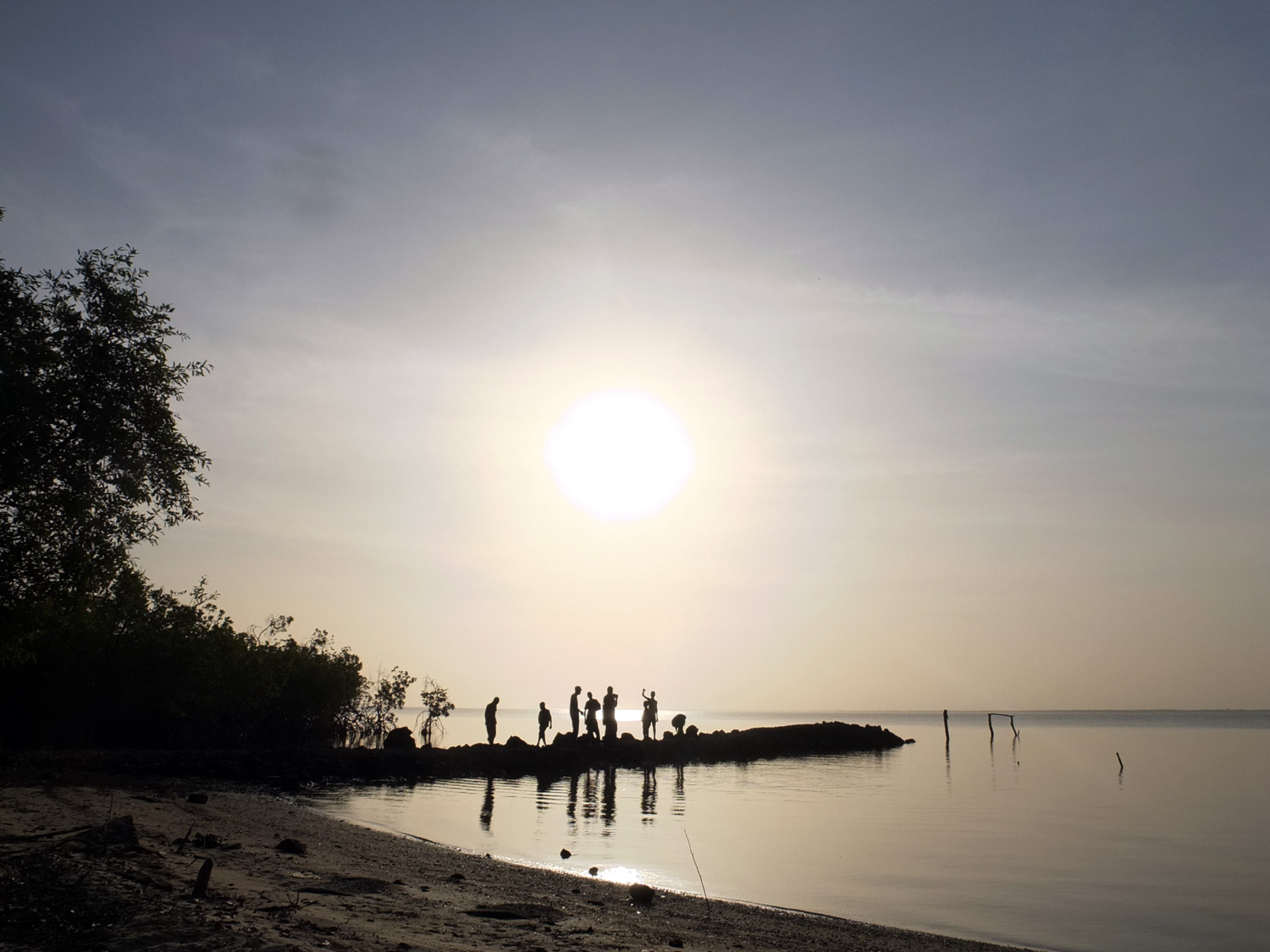
Sitting around our small campfire that evening, talking to Lamin – the kids still present and watching our every move, from the shadows, but respectfully keeping their distance, whilst we ate supper – he expounded on our conversation, about the problems of the mass exodus of young men, and about how the young mothers and elderly villagers couldn’t cope with the kids increasingly manic behaviour. With few men around, to discipline younger siblings and/or their children – especially the young boys, who now had no role models – he told us how the time-honoured structure of village life was shifting, and that the kids were being allowed to run wild. He explained it as a combination of the women just not having the time, or energy – as each minute of the day was spent working, cooking, cleaning, looking after their babies – to the elders, who no longer seemed able to garner the respect from the young kids; customarily, respect for elders is the norm in West African culture. There being little prospect of schooling for many of them – either not enough money, or they would be expected to work (especially, the young girls) as soon as they were able, to make up for their older siblings absence and, thus, lack of income. And, as for the younger boys, sadly, our friend explained, they would more than likely follow in the footsteps of the young men, leaving the village, for the coast, or going ‘the back way‘, as soon as they could.
To read more about the River Gambia Expedition, please visit the blog, and to see Jason Florio series of images, check out floriophoto.com