The Japanese philosophy of Wabi-Sabi is seeing the beauty in everyday life, particularly in its imperfections
visual story telling & education
The Japanese philosophy of Wabi-Sabi is seeing the beauty in everyday life, particularly in its imperfections
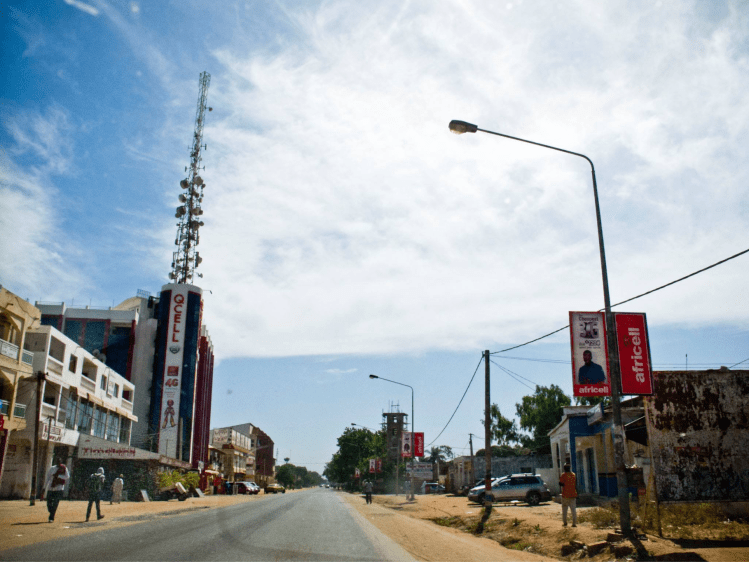
This time last year, we had already been in the Gambia since the beginning of January. We had traveled back down to the small West African country, to document the transition of a 22-year long dictatorship to a democracy. However, because the incumbent president, Yahya Jammeh, had rescinded his acceptance of the winning vote, in December 2016 – a week after Gambians had decided enough was enough and voted for Adama Barrow’s coalition government – he was refusing to step down.
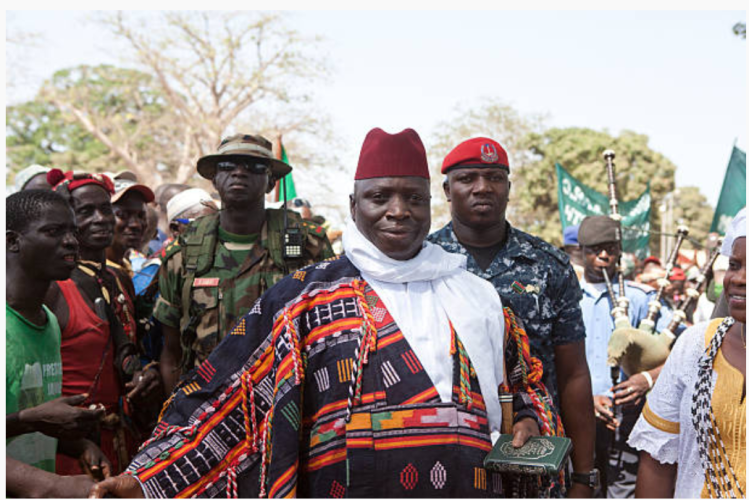
Therefore, the last month of 2016 and into those first few weeks of 2017, Gambia was in a state of flux – the unpredictability of what Jammeh would do next was almost tangible.
an old Gambian friend told us, “we are ready for change. He must go”, she went on. Even in the safety of our compound, she still spoke in hushed tones – the ingrained fear of 22-years of autocracy, that someone would over-hear and report her, was still very prevalent.
After much intervention from the Economic Community of West Africa (ECOWAS), on January 21st, 2017, Jammeh eventually agreed to leave the country, exiled to Equatorial Guinea (a West African country which is not part of the International Criminal Court (ICC) – therefore, he could not be extradited).
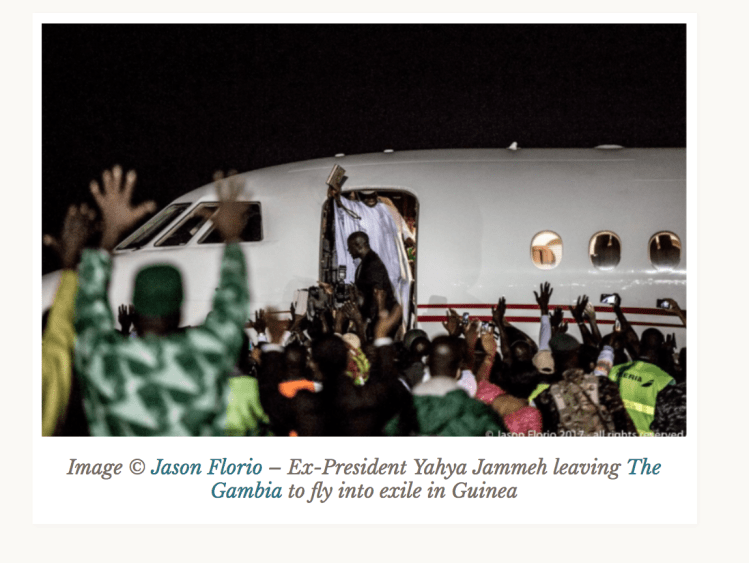
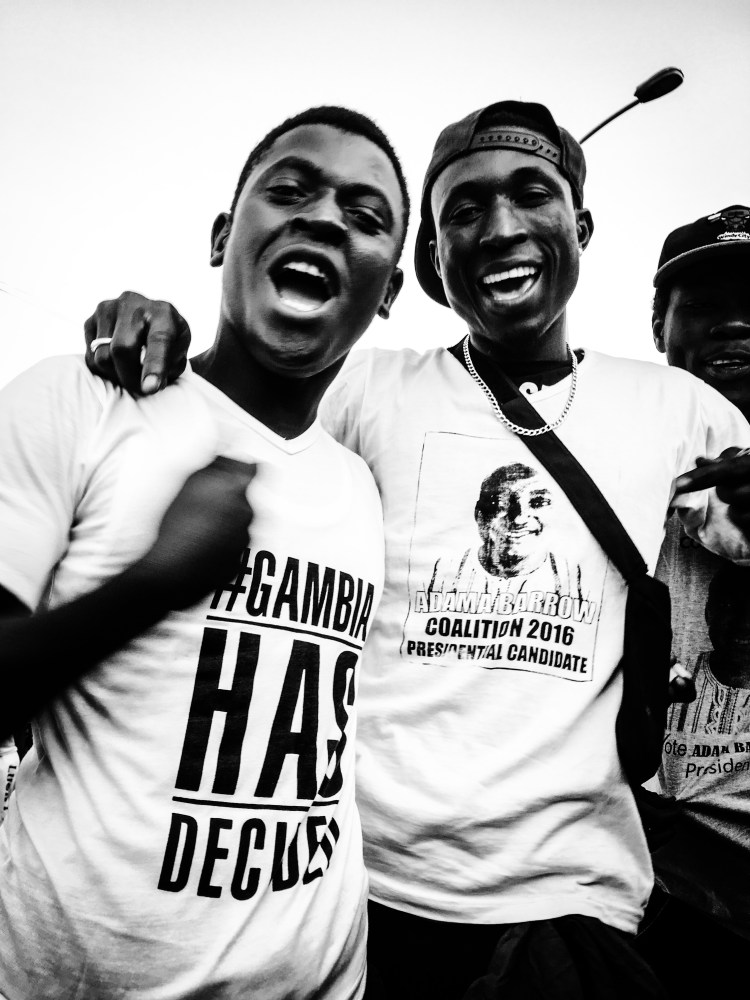
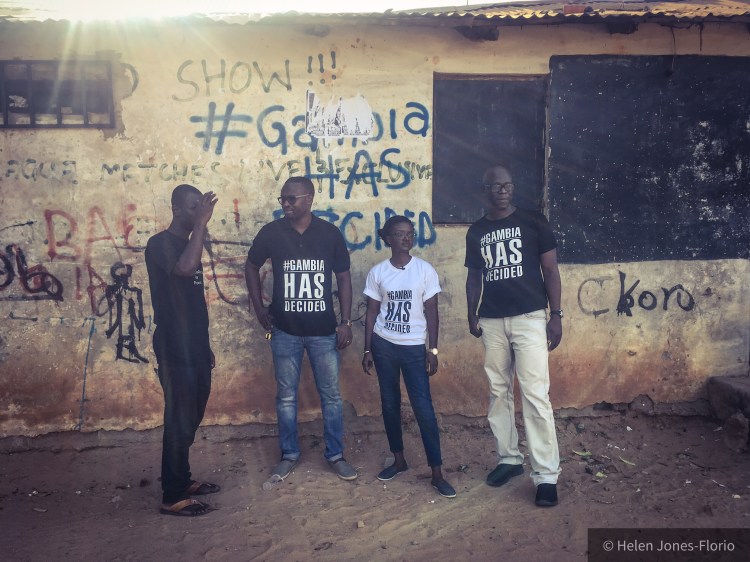
Meeting people on the streets of Banjul, on the 22nd January 2017, couldn’t have been more different from the quietly uttered words, previously spoken by my friend -‘GAMBIA HAS DECIDED!‘, shouted, triumphantly, at us everywhere we went. And, #GambiaHasDecided t-shirt’s worn proudly and without fear – just one day before most people would not dare to wear them so openly. But, now Gambians knew for certain, the dictator had been flown out of the country.
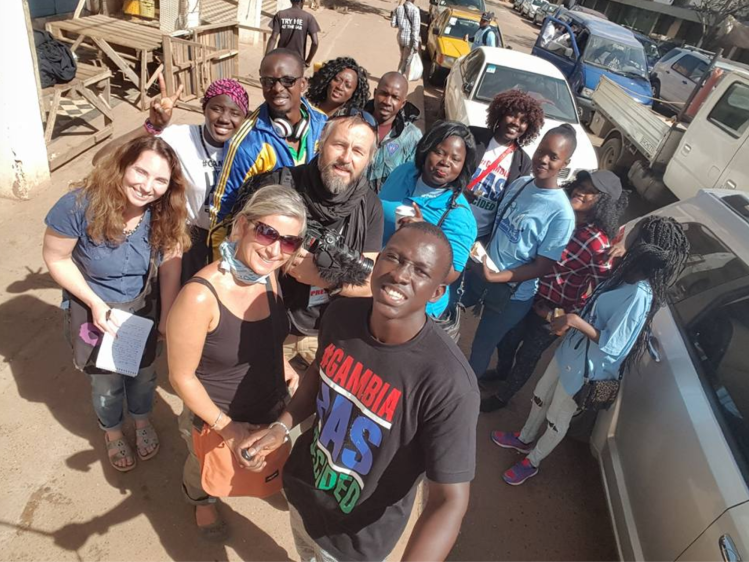
The above group were on the streets of the capital, welcoming back and directing the thousands of Gambians to free transportation, back to their hometowns and villages – those who had fled the country, across the river into neighbouring Senegal and beyond in fear, when Jammeh had refused to step down and ECOWAS troops massed on the border, ready to intervene.

In October of 2017, at the invitation of Amnesty International, we spent a month making a documentary of the stories of human rights defenders, activists, and victims of the Jammeh regime – this is the trailer: ‘We Never Gave up – Stories of Courage in Gambia’.
So much has happened in one short year, and so much more still to be done. Jason Florio and I will no doubt be back down there in the coming months, to carry on where we left off, documenting change in the Gambia. We’ll keep you posted!
A Jason Florio & Louise Hunt Production for Amnesty International
At the end of last year, we were commissioned by Amnesty International, West Africa, to make a documentary about the human rights defenders, and activists, who worked tirelessly, and often at their own risk, to stand up for those who had been abused and tortured – including working for the families of those who had ‘disappeared‘ – under the 22-year dictatorship of President Yahya Jammeh.


Having traveled, lived, and worked, over the last 20 years, on various assignments and personal projects, in the Gambia, Florio and I were always aware of its dark underbelly. We heard ‘the stories‘ of abuse, torture, disappearances, murder even. And, in a country which depends largely on tourism – the pull of beautiful sandy beaches, year-long sunshine, languorous boat trips on the River Gambia, technicolored sunsets – you’d be extremely hard pushed, if you only visited for a holiday, to have any notion at all of the graveness of what was going on, in the small West Africa country.
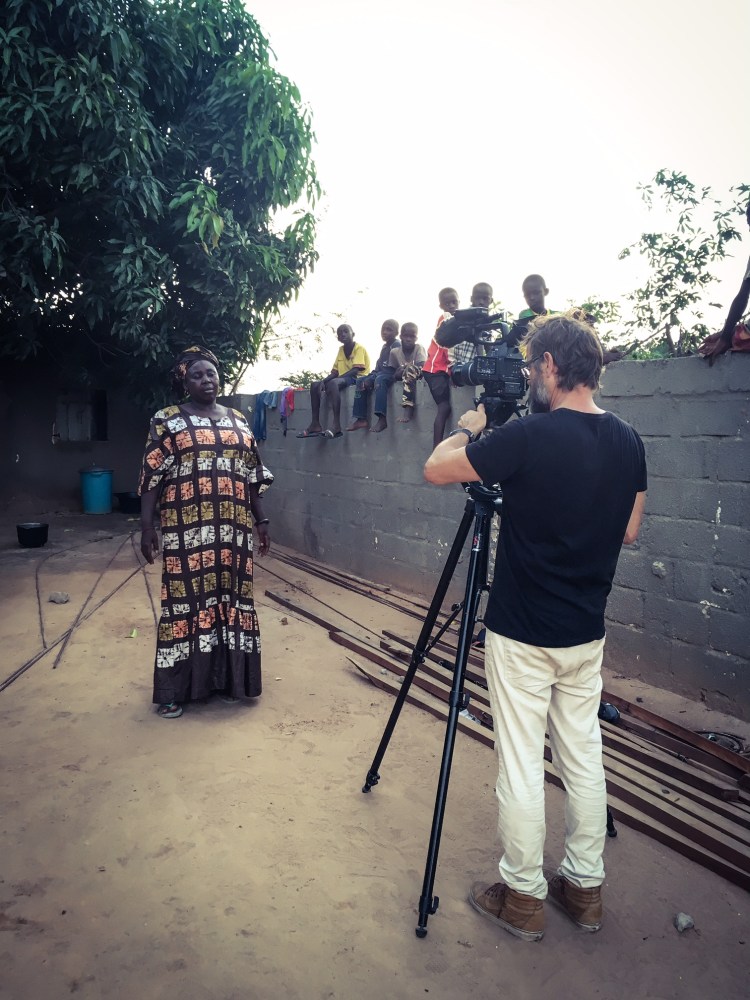
“For 22 years, we documented Gambians living in a climate of fear. Their rights were denied and many were subjected to torture, arbitrary detention, and widespread surveillance. But even in those dark days, there were people brave enough to stand up and challenge the abuse of power.”

“Whether they were journalists, human rights lawyers, community leaders, young activists or victims of abuses, they never gave up. Our film portrays their stories, showing the world a lesson that what happened in the Gambia is proof of the power and change that human rights defenders can bring about.”Alioune Tine, Amnesty International’s West and Central Africa Regional Director.
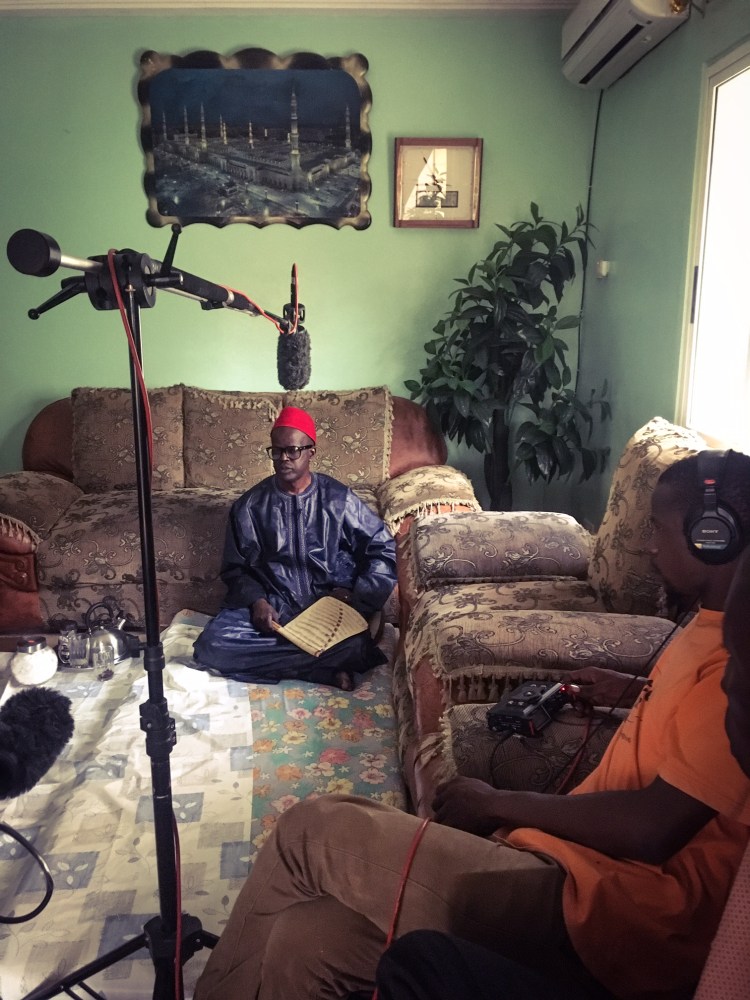
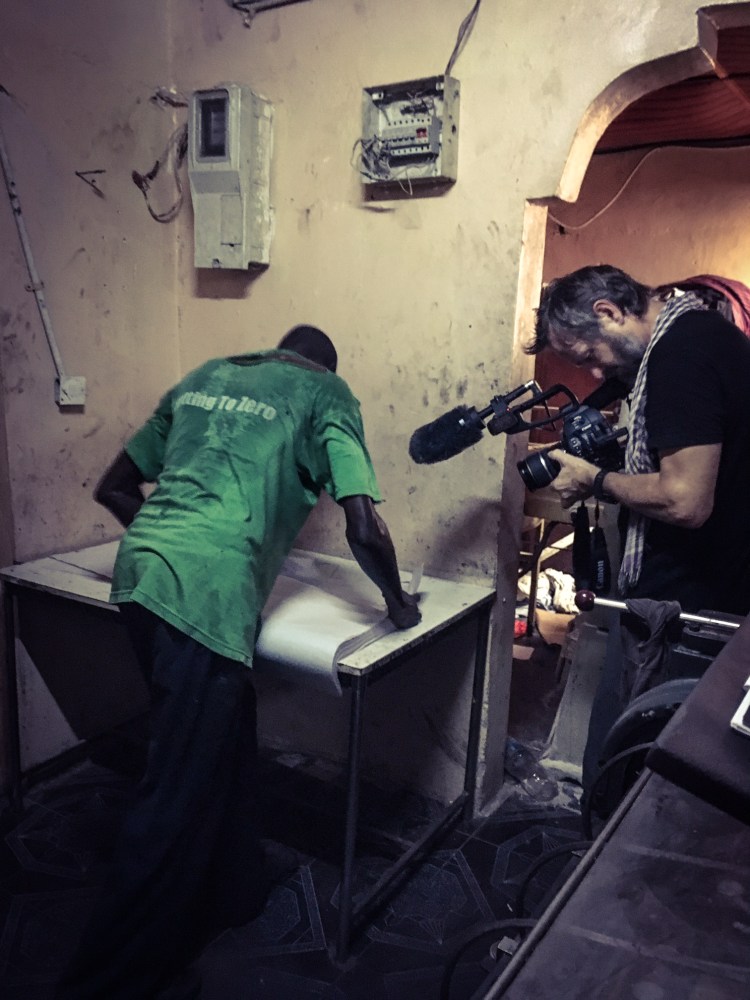
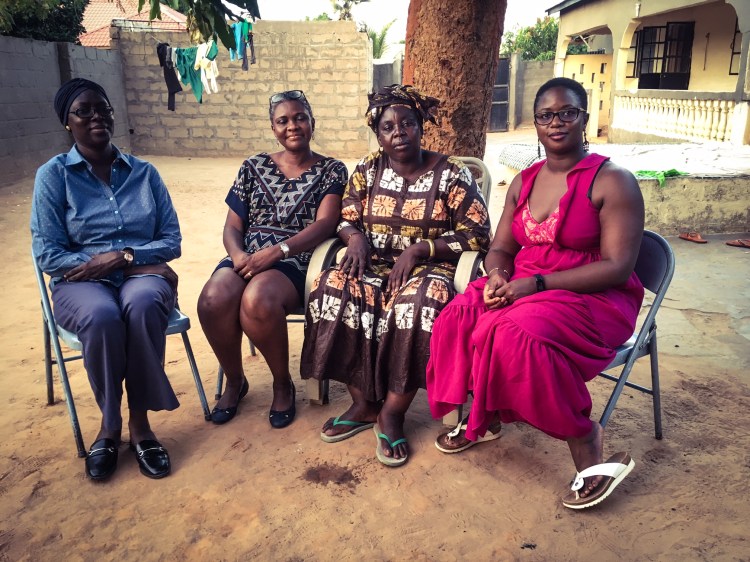


To have all those stories, Jammeh’s reign of fear and terror, Florio and I had only heard whispers about over the years (until April 2016, when Gambians came to the streets to protest after the death in custody of activist Solo Sandeng), our Gambian friends only ever spoke sotto voce about what was going on, confirmed by those who had actually lived them was both incredibly disturbing and humbling. Now, with a new president, they have the freedom to speak out, have their voices heard.
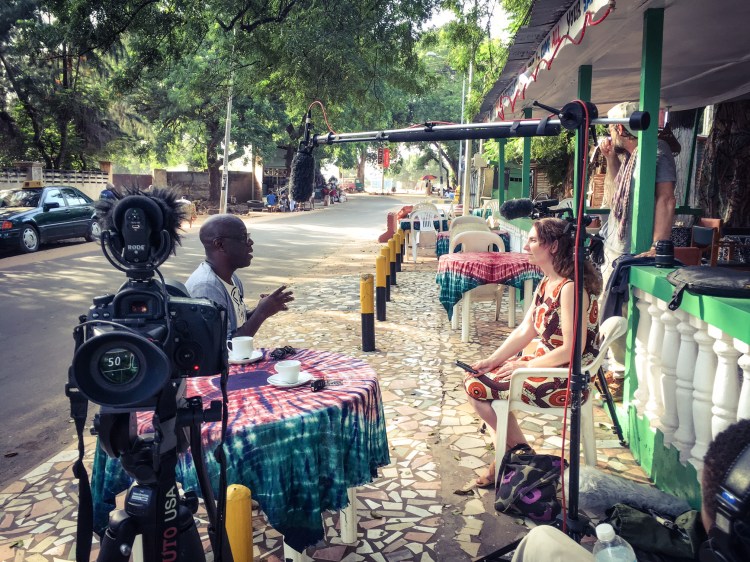
We are truly thankful to every single person who shared their experiences, those who worked with us on the documentary, and Amnesty International for inviting us to make the documentary, in a place that we feel is a second home.
Photos Tell Stories – documentary, photography, travel

Follow us on Instagram @floriotravels / @jasonflorio for updates on
when and where you can see the full documentary
Related: ‘A Short Walk in the Gambian Bush – 930km African odyssey’

